To watch the YouTube video, click on the play arrow in the thumbnail below:
I’d like to share a simple meditation exercise to help you manifest your goals for Your Ideal Life, once you have determined what they are. The best way to utilize this meditation technique is to first read it all the way through once, to familiarize yourself with it, then when you’re ready, implement it step-by-step:
The first step is to choose a quiet spot at a time when you’re least likely to be disturbed.
Turn off your cell phone and any other distracting devices that might be in the room. If noise might be a problem, use earplugs or noise-cancelling headphones through which you can play white noise, soothing nature sounds, or soft music. Be sure not to choose music which might be distracting to you. It should be calm and mellow, preferably instrumental.
Sit comfortably and begin to breathe deeply. Inhale through your nose to a count of four, hold for a count of two, then exhale through your mouth slowly to a count of 6. Do this for a couple of minutes, until you find your body relaxing and your mind slowly starting to let go of its chatter and settle into a quieter, more receptive mode.
Now, begin to meditate one-by-one on each aspect of your Ideal Life. Don’t use too much force; use a very gentle approach. I find it helpful to pretend I’m sitting in a darkened theatre, looking at a blank movie screen. Don’t get hung up on the word “visualize.” Some people will see vivid mental images start to appear on their inner movie screen, and others will get just a subtle impression. It doesn’t matter; the visualization still works either way. Treat it lightly but confidently. Visualize anything that gives you “all the feels” of achieving this goal.
See yourself immersed in the scene you hold in your mind’s eye. Use ALL of your senses. If you’re visualizing your ideal place to live, see yourself there, smiling and happy. Notice all the details about it, such as how your house looks and where it is located. Here’s an example, which you can alter to fit your own particular scenario: If your ideal place to live is by the seashore, see the beautiful blue-green water and smell the salty ocean air. Feel the gentle sea breeze caress your face and ruffle your hair. Wiggle your toes and feel the sand beneath them. Hear the crash of the waves, and the cry of the sea gulls as they fly in the air above you. Then, walk into your home and go through every room, seeing, feeling, smelling and touching everything you encounter until you really feel as though you are there. If you would like to share this home with a person or pet, see them there with you, also looking happy.
This is a good time to mention something important about goals that involve another person: It’s fine to visualize a particular someone you’d like to be with; but remember, we cannot control the destiny of another person. Your Ideal Life scenario needs to be one that they also would like to share, or it will not happen. We cannot force our dreams on someone else. Even if you managed to do so, it ultimately would lead to unhappiness. So, unless you are already with the person and they share a goal similar to yours, be willing to open to other possibilities. You can visualize that special someone, but your ultimate wish should be for whatever would be the highest good for all concerned.
Once you have thoroughly immersed yourself in one particular aspect of your Ideal Life, move on to the next one. Don’t try to force any impression that doesn’t come naturally. The important thing is that you give yourself a feeling of certainty that achieving your goal will happen. Use any means to do this. For instance, If you want to write a book, visualize an image of your book’s front cover, your name in the byline, and your picture on the back cover. See other people reading this book, enjoying it, and deriving benefit from it.
After you have visualized each aspect of your Ideal Life, your goals and aspirations, say to yourself the following affirmation: “I have what it takes to be ___________ and have __________!” Fill in the blanks with whatever is appropriate to your goal. See yourself enjoying your new life, and giving Light to others with your gifts. See yourself shining with Light, following the path of Higher Power, spreading your Light to other people in your own unique, God-given way.
Close with the following statement, which I learned from Shakti Gawain’s wonderful book, Creative Visualization: “All this or something better now manifests for me in totally satisfying and harmonious ways, for the highest goodof all concerned.” This is, I think, the most important step in the whole process of manifesting your Ideal Life. It acknowledges our humility and leaves the door open to God’s greater wisdom to give us what we truly need, and what will give us true joy and fulfillment.
Now, gently turn your attention back to the present time, and slowly open your eyes. If you were able to really immerse yourself the visualization process, you will feel as though you truly were in that new life for a little while.
Take a few minutes every day to visualize your Ideal Life. You don’t have to spend hours or force yourself, but do it on a regular basis. Also spend some time daily developing your gifts, and over time you will become more skilled and successful at them. Don’t obsess over it; don’t overtire yourself or get anxious and troubled. Stay open, calm and hopeful.
There is no better way to spend one’s life than to give it to God with trust that God will do with it what is right. Tell God sincerely, “Thank You for all my many blessings. I give You all I own, all I have within me, and all I am. Take these and use them to do what You will. Help me to do Your work and use Your gifts. Open me to whatever You want for me.”Say this prayer in the morning and when you go to bed at night. This is enough to ensure that your life will be well lived. Don’t worry about the details – God will take care of them. But it’s important to truly and sincerely mean it when we give God our life! We cannot give Him only some of it and withhold a portion for ourselves. Giving Him all that we have is a difficult, but very powerful, thing to do.
Photo by Engin Akyurt at Pexels
As you visualize your goals, you will run up against doubts and questions. Write them down in a notebook. At the top of the page, put the date, then write out the gift or goal you want to manifest, and all your questions and problems regarding this goal, no matter how small. If you write them down and meditate on them with trust (but not fixate on them with worry or anxiety), the guidance you need eventually will come. By doing this step, you are acknowledging that you have questions and doubts about manifesting your goals, because to repress and ignore them would interfere with your ability to visualize freely. But at the same time, you are releasing them as something to be dealt as you go along, rather than an obstacle to you right now.
You might find that just by writing down these questions and concerns, something might happen to give you the answer. For instance, a friend might say something that answers your question; you might come across a book or article that gives you information you need; you might spontaneously get an insight or inspiration that gives you a new perspective on the situation; or you may awaken from a dream that gave you some guidance. You might not always know immediately that you got your answer, but if you write it all down, over time you will find that the concern is no longer troubling you. Write down that fact as well, and indicate that you are no longer troubled by this concern. Most importantly, express gratitude to God for His help!
In upcoming posts, we’ll explore how to develop a plan of action for manifesting your Ideal Life.
TO WATCH THE YOUTUBE VIDEO, CLICK ARROW ON THE THUMBNAIL BELOW:
In my last post, we talked about how to imagine the way you would like your life to be if you had no restrictions or limitations. This week we’re going to take the first step in the plan to transform those dreams into achievable goals, by creating a visual representation of Your Ideal Life. To participate in this week’s exercise, you will need the list you created from the last episode, describing every aspect of your Ideal Life. For instance, where you would live, who you’d be with, your job or career, places you’d like to visit, your achievements, etc. If you don’t have such a list, please read my last post, “Your Ideal Life,” which will prompt you with some questions to create it.
You can choose one or more of the following – or even do them all! It’s your dream, so do whatever works. Be sure to include in whatever version you choose a photo of yourself, smiling and happy!
CREATE A VISION BOARD: Get a large piece of poster board or foam-core board, or even one of those memory boards that people use for photos. On this vision board, you will post at least one picture for each aspect of Your Ideal Life. You can write “My Ideal Life” at the top of the board if you wish. Cut pictures from magazines, print out online pictures, or draw your own. Attach the pictures to your vision board, and in the center of the board put the smiling, happy picture of yourself. Place the vision board where you will see it every day.
MAKE AN “IDEAL LIFE” SCREENSAVER: This is similar to the vision board, except that you will save the pictures to your computer as a screensaver. This is a great way to keep your goals always before your eyes! You also can post them in the image gallery of your smartphone, where you can look at them every day, or make a collage of them in a photo-editing program and use them as the home screen on your phone. The next time you have a few free minutes, browse through these images instead of checking your social media feed. Spending a few minutes focusing on your Ideal Life will be of much more benefit to you than seeing photos of what your friend from high school ate for lunch!
CREATE AN “IDEAL LIFE” SCRAPBOOK: If you enjoy scrapbooking, or simply are the type of person who feels more connected by holding a tangible object like a book, buy yourself an attractive scrapbook and mount Your Ideal Life pictures inside it. Have a separate page for each aspect of Your Ideal Life. Give the page a title, and decorate it with appropriate stickers, or draw designs on it that represent your goals. Keep it in a safe place but where it is easily accessible to you.
MAKE A TREASURE BOX: Buy an attractive box with a hinged lid, or use a decorative photo box with a lid. Embellish it any way you like with beads, glass gems, stickers, paint, etc. Inside the box put pictures and symbolic objects that represent each aspect of Your Ideal Life. For instance, if you want better finances, put some money in the box. If you want to live by the seashore, find a pretty shell and place that in the box. You can also write down each aspect of your dream on slips of paper or index cards and place those in the box as well. Don’t forget to include a smiling photo of yourself! Some people also like to put in the box a symbol of their particular faith or spiritual ideal: For example, a cross or Star of David, a holy picture or medal, a small statue, a crystal, some incense, etc. Keep the box in a prominent place of honor where you will see it often.
I have used all of these methods at one time or another. The first one I tried was the scrapbook. I was amazed a few years later when I came across the scrapbook again and saw that every one of the goals depicted in it had come true — some in a slightly different form, but very close! The scrapbook remains my favorite tool for goal visualization.
Whatever visual representation you choose, keep it handy and look at it often. You can add or subtract images to it as your ideals develop or change. You don’t have to keep it in open view if you are afraid that other people will make fun of it or otherwise discourage you (more about sharing your goals in a future post). Just make sure it’s in a place where you can easily access it.
Whenever you have enough time to give it attention, sit in a quite, comfortable place with your visual representation, and let the images, designs, objects and words permeate your consciousness. Smile as you immerse yourself in this visual representation of Your Ideal Life. If you are a meditator, incorporate this manifestation ritual into your daily meditation practice. Use a recorded guided meditation on manifesting, if it helps you focus better. I will share a guided meditation in my next post.
Another excellent way to impress your ideals on your subconscious mind is to visualize Your Ideal Life every night as you are falling asleep. It’s a great way to put yourself in a positive mood at bedtime, which also can lead to better sleep!
Once daily is enough time to spend with Your Ideal Life exercise. Do not obsess over it. You must live in the present at the same time you are visualizing your future. If you get obsessive about your goals, constantly comparing your dreams to your current less-than-ideal situation, you’ll just get depressed and discouraged about how far away you feel you are from them. When you do get disheartened because your dreams seem unattainable, just remind yourself that although you are not there yet, you are getting closer every day to a better life.
Also stay open to the idea that you might get something different from what you expect will make you happy right now, but it will be something that is actually more appropriate and attainable for you. This means remaining flexible to God’s greater wisdom, and being ready to shift gears if and when it becomes necessary.
Photo by Pixabay
Hold your dreams, but hold them lightly. Think of them as a little baby bird you have in your hand, who will get crushed if you squeeze it too hard. Only if you hold it gently will it grow healthy and strong enough to be able to soar one day.
Next time: A guided meditation to help you visualize your goals.
TO WATCH THE YOUTUBE VIDEO CLICK ARROW ON THUMBNAIL BELOW:
As we welcomed in the new year, many people were making resolutions, but by now, many of these resolutions already have been abandoned. I prefer to set goals rather than make a laundry list of “should do’s” that I probably will give up after a couple of weeks because they are just so dull, tedious and uninspiring! I promise you that the exercise I’m suggesting in this post will be a lot of fun, and you’ll probably really enjoy doing it!
What I want to encourage you to do is imagine your ideal life, the life you would want to live right now, if you had absolutely no restrictions. This is the time to let go of any limitations, such as money, time, circumstances, age…anything. The only rule is that the life you imagine must be a life that would suit YOU as the person YOU are. It has to be believable for you, or it won’t work. In other words, it would be of no use to picture yourself as a famous basketball star if you are a physically-unfit couch potato who prefers to sit and watch a game instead of practicing hoop shots for hours every day. Nor would it be realistic to imagine that you are another person entirely (i.e., your favorite celebrity or public figure). These would be so far beyond the realm of possibility that you would not be able to really enter into the whole exercise. You can imagine your fondest dreams, but they need to be YOUR dreams; they need to be something in which you can really believe!
Are we alone the “manifesters” of our destiny, of our goals? My personal belief is that all creative forces originate with God, or whatever you choose to call the Higher Power that created all things. I do, however, believe that we must open the door to God’s creative power by doing our part to formulate in our own mind what we would like our destiny to be, and the goals we would like to accomplish. God does not want us to be passive puppets who just wait around for God to act. God expects us to order our priorities, use our gifts, set reasonable, high-minded goals, and seek God’s help in attaining them.
Having said that, give your imagination free rein and ask yourself: “If I could have any situation I wanted, what sort of life do I feel would make me happy at this time?” I specify “at this time,” because our idea of what constitutes an ideal life changes and evolves as we do. Don’t worry about whether or not you might change your mind one day…this exercise is for now. Free yourself from the fear that it needs to be written in stone. This is YOUR Ideal Life, and it will develop and change as you do.
Here are some suggested questions to guide you on this imaginative journey. Jot down your answers in your journal or a notebook for further development later on. Take as much time as you need to formulate your answers. This should be an enjoyable, relaxing and uplifting pastime – no pressure. Do not get bogged down or discouraged by thinking about what your life is right now. Just let yourself dream!
Photo by George Milton at Pexels.com
In your ideal life:
Where would you be living (town, state, country)? Near the ocean, in the mountains, in a big city? Warm climate; four-season climate; colder climate with lots of snow, where you could enjoy winter sports?
Who would you be living with (if anyone)? Would you have a spouse, partner, any children, any pets?
What things would be in your environment that would make you happy (furnishings, vehicles, other possessions)?
How would you look? What would you be wearing?
How much money would make you feel secure and comfortable?
What would be your ideal job/career?
If you are retired or don’t prefer a career, what is the ideal way you would spend your time most days?
What talent or skill would you excel at and spend a lot of your time using?
Would you travel, and if so, where would you go?
What would you love to accomplish?
What would you like to leave behind as your legacy to the world? For what would you most like to be remembered?
One effective way to come up with answers is to imagine how you would feel if you found out that you had only another year to live. At first, this might seem morbid, but if you give it a try, suddenly all those unachieved goals, latent talents and unresolved issues would become front-and-center in your life. Use this as a jumping-off point to discover what really matters to you.
Now that you have your answers written down, tweak them so that they become realistic enough to be believable. For instance, if you answered that “a billion dollars” would make you feel secure and comfortable, honestly ask yourself if you really would need, or be able to handle, that large an amount. Would an extra $100,000, $50,000, $25,000 or $10,000 give you peace of mind? This is a personal thing; everyone’s needs and comfort levels are different. It’s true that some people will never feel secure no matter how much money they have, and this usually stems from much more deep-seated fears and insecurities, which need to be further explored. But most of us have a “magic number” that we feel would do the trick.
If you once dreamed of becoming a Broadway star or a famous singer, but now know that this is highly unlikely for you, could you still be happy if you performed in community theatre, or sang with a band at local venues? Sometimes all we want is a chance to share our talents and shine a little bit, even if we never become superstars. After all, we know that in many instances, fame and fortune do not always equal happiness.
After you have gone through your list of answers and come up with versions of them that seem believable to you, the next step is to formulate them into actual goals. I heard a great quote recently: “A goal is a dream with a deadline.” Dreaming alone will never help us achieve anything; we need to unite dreaming with planning and action. Some of these goals will be short-term; others might take months, and still others years. It doesn’t matter. All that matters right now is that you create a plan that will bring you step-by-step closer to your dreams.
From time to time in upcoming posts, we’ll explore more techniques to bring planning and action to your dreams to help them to manifest. For now, I wish all of you the best as you create YOUR “Ideal Life.” May all your dreams come true!
To watch the YouTube video, click arrow in thumbnail below:
Do you have a sick or missing pet, or just want to pray for our animal companions? This is the official prayer of The Pet Prayer Line, founded in 1999. It is one of the earliest internet prayer lines for animals, and is still in existence today.
The Pet Prayer Line prayer chain has hundreds of members from all over the world, who pray daily for all the animals (and people) on the weekly prayer list. There also is an Emergency Prayer Team that prays for urgent requests that occur between prayer lists.
The Pet Prayer Line is open to people of all denominations and faiths. Anyone can submit a prayer request; you do not have to be part of the prayer chain. St. Francis of Assisi is the patron saint of The Pet Prayer Line.
To submit a prayer request for a pet or person, or to join the prayer chain, visit: https://thepetprayerline.com . Please do not leave prayer requests in the comment section here.
Prayer for Our Animal Friends
Heavenly Father, the bond we share with our friends of other species is a wonderful and special gift from You. We now ask You to grant our special animal companions your Fatherly care and healing power to take away any suffering they have.
Give us, their human friends, new understanding of our responsibilities to these creatures of Yours. They trust in us as we trust in You. Our souls and theirs are on earth together to share friendship, affection, and caring.
Hear our heartfelt prayers for these, Your ill or suffering animals. Fill them with Your healing Light and strength to overcome whatever physical weakness they have. Please bring safely home to those who love them any pets who are missing.
(Here mention the names of the animals needing prayer).
Your goodness is turned upon every living thing; Your grace flows to all Your creatures, touching each of us with the reflection of Your love. Grant our special animal companions long and healthy lives. Bless our relationships with them, and if You see fit to take them from us, help us to understand that they are not gone from us, but only drawing closer to You.
May good St. Francis of Assisi, who honored You through all Your creatures, watch over our animal friends until they are safely with You in eternity, where we hope to someday join them in honoring You forever. Amen.
To watch the YouTube video, click on the arrow in the thumbnail below:
I learned about St. Lucy at a very young age, when my mother told me she believed that her prayers to this great saint saved my eyesight when I was an infant. It was customary at that time to put silver nitrate into the eyes of newborn babies to prevent bacterial infections that can occur during birth. Unfortunately, in my case too much silver nitrate was applied to my eyes, which can cause severe inflammation, corneal melting and scarring, and significant vision impairment. My mother said that for a while my eyes were stuck shut, and the doctors didn’t know if I would suffer vision loss. Being Italian-American and knowing that Santa Lucia, greatly venerated in Italy, is the patron saint of eyes, my Mom fervently prayed to her on my behalf. Fortunately, my eyes cleared up, and I suffered no permanent damage to my vision. (In the 1980’s, erythromycin replaced silver nitrate as a precautionary treatment for newborn babies’ eyes.)
As a result of this incident, St. Lucy always has held a special place in my heart, and I’ve had a devotion to her all my life. I even picked Lucy as my confirmation name. I have invoked her intercession whenever I or a loved one have had any type of eye problem, and she has always helped us.
Because Lucia lived so long ago, most of her history has been lost to time. We do have some basic facts about her, as well as legends that have persisted over the centuries. The following account is the one that has stood the test of time and seems the most plausible:
Lucia was born in Siracusa (Syracuse) in Sicily, Italy in or around the year 283. Her parents were wealthy members of the nobility. Her father was of Roman origin, but there seems to be no record of his name. He died when Lucia was five years old. Her mother’s name was Eutychia and she was seemingly of Greek ancestry. Lucia converted to Christianity at a young age and developed a devotion to St. Agatha, a virgin who was martyred in Catania, Sicily, around 251 AD. Like Agatha, Lucia consecrated her virginity to God and vowed never to marry.
Her mother, Eutychia, is said to have suffered from a chronic hemorrhagic condition and feared that she did not have long to live. She worried about Lucia being left alone after her death, so she arranged Lucia’s betrothal to a wealthy young man from a noble pagan family. It’s possible that Eutychia was unaware of Lucia’s vow of virginity, or else her concern for Lucia’s future caused her to ignore the vow. But somehow, Lucia managed to delay the marriage for the next several years.
Having heard of the many cures reported by people who had traveled to St. Agatha’s tomb in Catania to invoke her intercession, Lucia persuaded her mother make a pilgrimage with her to the tomb to request St. Agatha’s intercession to cure Eutychia of her malady. Lucia hoped not only for the healing of her mother, but that the healing might convince her mother that Lucia’s Christian faith was indeed the best choice for her life.
Lucia and Eutychia traveled to Catania, which was less than 50 miles from their home, and prayed at St. Agatha’s tomb for Eutychia’s healing. While there, Lucia had a dream in which St. Agatha told her that Eutychia would be cured because of Lucia’s faith. Agatha also told her, “Soon you will be the glory of Siracusa, as I am of Catania.” Upon awakening, Lucia cried to Eutychia, “O mother, mother, you are healed!”
Lucia’s Dream at St. Agatha’s Tomb 14th-century painting by Giovanni di Bartolommeo Cristiani
Eutychia’s condition did indeed improve, so when they returned home Lucia took the opportunity to convince her mother to allow Lucia to distribute her dowry money to the poor and live the celibate life she had vowed to God years earlier. At first, Eutychia tried to persuade Lucia that it would be imprudent to dispose of all her money straightaway, and suggested that Lucia instead bequeath it in her will. Lucia is reported to have replied, “Whatever you give away at death for the Lord’s sake you give because you cannot take it with you. Give now to the true Savior, while you are healthy, whatever you intended to give away at your death.” Eutychia finally agreed, and Lucia began to distribute her dowry money to the poor.
In 303 A.D., the Roman Emperor Diocletian issued an edict that outlawed the Christian religion throughout the Roman Empire. Christians were forbidden to gather for worship, their churches were destroyed, and sacred Christian texts were abolished. Christian civil servants or members of the nobility were stripped of their ranks, and their belongings confiscated. Christians were forced to offer sacrifice to the Emperor and the Roman gods. To refuse meant torture and even execution.
Tradition says that Lucia visited the poor, the homebound, and Christians hiding in the catacombs, delivering wheat and bread to them. Because she often went at night to avoid being discovered, she carried a lamp to light her way. Sometimes, to keep her hands free to carry the provisions, she wore on her head a wreath crowned with candles. An early Christian text records her as telling her fellow Christians by way of encouragement: “To God’s servants the right words will not be wanting, for the Holy Spirit speaks in us. All who live piously and chastely are temples of the Holy Spirit.”
Eventually, gossip about Lucia’s donation of her dowry to the poor reached her prospective bridegroom. He became enraged, either because of the rejection of realizing that Lucia had no intention of becoming his bride, or because of his greed over the loss of her dowry money – and probably both. He reported to Paschasius, the Governor of Siracusa, that Lucia was a practicing Christian.
Lucia was arrested and questioned by the Governor. He ordered her to offer a sacrifice to the Roman gods, but of course she refused.A later text on Roman martyrs reports her to have said: “I know but one sacrifice pure and full of honor, which I can offer. This is to visit orphans and widows in their tribulation, and to keep oneself unspotted from the world. For three years, I have daily offered this sacrifice to my God and Father, and now I long for the happiness of offering myself to Him as a living victim. His holy will be done.”
Lucia also told the Governor that his worship of the Roman Gods would condemn his soul before the one true God, and that the reign of Diocletian would soon come to an end. This so outraged Paschasius that he ordered her to be taken to a brothel and forced into prostitution, the ultimate mockery of her Christianity and vow of virginity. Legend tells, however, that Lucia was so filled with the Holy Spirit that she became immovable. No efforts on the part of her captors was able to budge her, not even when they attempted to drag her by tying her to the yoke of a team of oxen. They then surrounded her with wood and set it on fire, but the flames did not harm her.
To further torture her, Lucia’s eyes, which were reportedly very beautiful, were gouged out by her captors. Another account says that Lucia gouged them out herself, in an effort to make herself unattractive to her suitor or any man who would attempt to defile her. (Personally, I find the torture theory to be more plausible than the self-mutilation theory.) Her frustrated captors finally succeeded in killing her by piercing her through the neck with a sword. Early literature on the martyrs reports Lucia to have said as she was dying: “O Siracusa, O place of my birth, as Catania finds its safety and glory beneath the guardianship of my sister Agatha, so shall you be shielded by me, if you are willing to embrace that Faith for the truth of which I shed my blood.”
“Santa Lucia” by Carlo Dolci, 1616
Whatever the real cause of Lucia’s loss of her eyes, when her body was being prepared for burial, it was discovered that her beautiful eyes had been restored by God. This is the reason Lucia is honored as the patron saint of those suffering from blindness and eye diseases, and why she is most often depicted in art holding her eyes on a golden platter.
Whatever one believes about the legends that have sprung up around Lucia’s life, one thing is clear: She had to have been a woman of a particularly heroic nature, because devotion to her grew exponentially after her death. The first writings about her were in the Acts of the Martyrs, written in the late fifth century. Many miracles were attributed to her, and by the sixth century she was included in the Sacramentary of Pope Gregory I, and also in the Roman Martyrology. She was honored throughout the Christian world until the Protestant Reformation. In England, her feast day of Dec. 13 was at one time considered a holy day, on which no work except farming was allowed. Today, St. Lucy is still venerated in the Roman Catholic, Orthodox, Lutheran and Anglican Churches.
Lucy holds the honor of being one of several women saints mentioned in the Roman Catholic Eucharistic Prayer I said at Mass: “To us, also, your servants, who, though sinners, hope in your abundant mercies, graciously grant some share and fellowship with your holy Apostles and Martyrs: with John the Baptist, Stephen, Matthias, Barnabas, Ignatius, Alexander, Marcellinus, Peter, Felicity, Perpetua, Agatha, Lucy, Agnes, Cecilia, Anastasia, and all your Saints….”
St. Lucy is the patroness of Siracusa and Perugia in Italy, the town of Olon in Ecuador, and Guane, Santander, Colombia. The island of St. Lucia in the Caribbean is named after her. She is the patron of authors, glaziers, laborers, martyrs, peasants, saddlers, salesmen, and stained glass workers. Besides her special patronage of people with blindness and diseases of the eye, she is invoked against hemorrhages, dysentery, and throat infections. In art, she is usually pictured carrying her eyes on a golden plate, and sometimes holding a palm branch, symbolic of martyrs. She also is sometimes depicted with the symbols of a lamp, dagger, sword, or two oxen.
St. Lucy’s current feast day is December 13, during Advent. Before the calendar reforms, her feast day was also the Winter Solstice. Since this was the shortest and darkest day of the year, and because her name, Lucia, derives from the Latin word for light (“lux”), she stands as a symbolic bearer of light in the darkness. Thus, her feast day became a festival of light.
One legend tells that during a famine in Italy, ships filled with wheat sailed into the harbors on St. Lucy’s feast day, saving the people from starvation. Because of this, in Sicily it is traditional to make “cuccia,” a dish of boiled wheat berries, mixed with ricotta and honey or served as a soup with beans, to celebrate her feast day. Croatians plant wheat in a pot indoors on Dec. 13, and by Christmas, when the shoots have emerged, they are put next to the Nativity manger as a gift to the Christ Child and a symbol of the Eucharist, which is made of wheat.
A similar legend states that on the Winter Solstice during a famine in Sweden, a boat came into sight sailing across the lake. St. Lucy could be seen at the prow of the boat, dressed in white with a heavenly light emanating from her. Upon the boat’s docking at the shore, she handed out sacks of wheat to the starving people. To commemorate this, Scandinavians bake a sweet saffron bread called “Lussekatter,” and bring it to the poor, sick, and shut-ins on Dec. 13. In Scandinavian countries, on “lucienatt” (Lucy night), there is a procession of schoolchildren carrying candles and singing the “Santa Lucia” song. They are led by a girl dressed as Lucia in a white dress, with the wreath crown of candles on her head. The “Santa Lucia” song, which is popular in many countries, was written by the Neapolitan composer Teodoro Cottrau in 1850. There is a Scandinavian version as well, using the same melody but with Swedish lyrics. In some villages in the Philippines, a St. Lucy novena (9 days of prayer) is held before her feast day. There is a procession of St. Lucy’s image every morning at the village center during the 9 days of the novena.
Even though Lucy lived so long ago that there is little known about her, it is extraordinary that she has remained a beloved and venerated figure for over 1700 years. This fact stands as an enduring testimony to her sanctity, her courage, and her great love of Christ and her fellow humans. Her light still shines brightly today, as it did so many centuries ago. It is a light that is sorely needed in our present time, which is so often enveloped in the darkness of hatred, violence and evil. St. Lucy stands near to us as a steadfast friend in the communion of saints, ready to intercede with God on our behalf. For myself, I am grateful for her intercession in saving me from blindness, allowing me to be able to see the light and beauty of God’s creation. Grazie, Santa Lucia!
Traditional Prayer to St. Lucy:
“Saint Lucy, you did not hide your light under a basket, but let it shine for the whole world, for all the centuries to see. We may not suffer torture in our lives the way you did, but we are still called to let the light of our Christianity illumine our daily lives. Please help us to have the courage to bring our Christianity into our work, our recreation, our relationships, our conversation – every corner of our day.
By your intercession with God, obtain for us perfect vision for our bodily eyes and the grace to use them for God’s greater honor and glory and the salvation of all people. Saint Lucy, virgin and martyr, hear our prayers and obtain our petitions. Amen.”
By November of 1830, the unrest in Paris was over, and Louis Philippe had taken the throne. On Nov. 27, eve of the First Sunday of Advent, Catherine was in the chapel with the other sisters for evening meditation, when she again heard the swish of a silk dress. Looking up, she saw a vision of the Queen of Heaven dressed all in white, standing on a globe and holding a golden ball in her hands. Her fingers were covered with rings whose stones sparkled with brilliant light that poured from them all the way down to her feet. She was radiant “in all her perfect beauty,” as Catherine later described it. Catherine heard the words, “The ball which you see represents the whole world, especially France, and each person in particular. These rays symbolize the graces I shed upon those who ask for them. The gems from which rays do not fall are the graces for which souls forget to ask.”
Then the vision changed. The ball vanished, and Mary’s arms swept downward, the rays cascading to the globe on which she still stood, her foot crushing the head of a serpent. The globe had the year “1830” inscribed upon it. The Virgin wore a blue mantle over a white dress, with a white veil draped back over her shoulders. An oval formed around the vision like a frame, and written in gold letters within it were the words: “O Mary, conceived without sin, pray for us who have recourse to thee.”
The voice said, “Have a medal struck after this model. All who wear it will receive great graces; they should wear it around the neck….”The apparition reversed, and Catherine saw a large M surmounted by a bar and a cross, with the Hearts of Jesus and Mary beneath it, one crowned with thorns, the other pierced by a sword (symbolic of the prophecy of Simeon, when he told Mary, “a sword shall pierce your own heart, so that the thoughts of many hearts will be revealed.” Luke 2:35). Twelve stars encircled the whole thing. The vision then faded, but would be repeated five more times over the next year.
Catherine told Fr. Aladel about the latest apparitions and the request to have a medal struck. As with her other visions, he did not accord it much importance. Each time the vision was repeated, poor Catherine was compelled once again to approach Fr. Aladel about it. These were extremely unpleasant encounters for Catherine, often involving verbal battles between her and Fr. Aladel. The other Sisters would see Catherine approach the confessional trembling with fear, then hear the sound of raised voices issuing from within.
Although Catherine was never disobedient or rebellious, and would cease the discussion at Fr. Aladel’s order, she was not to be dissuaded from the mission she believed God had entrusted to her. While honoring her vow of obedience, she nonetheless possessed a strong will and a spirited tongue, and doggedly pursued her mission. There is no doubt that, as Our Lady had warned, Catherine suffered much during this period, even to the extent of telling the Virgin that she “had better appear to someone else, since no one will believe me.” Only Our Lady’s promise of God’s grace sustained Catherine and made it possible for her to persevere.
In fairness to Fr. Aladel, his was not an easy task, either. He needed to determine if Sister Catherine’s visions were genuine and whether it would be prudent to act on them. But eventually, as he came to know Catherine better, he realized that by her very nature it was unlikely that she was inventing it all. He knew that she was good and pious, and he did not doubt the sincerity of her belief that she had seen these things. He also realized that of herself she did not possess the intellectual ability nor the imagination to fabricate such a story with all its lavish detail. Then, too, was the fact that her reported prophecies had indeed come true. Furthermore, he had given his promise to Catherine early on that her identity not be revealed, which placed all the responsibility for carrying out heaven’s orders on his shoulders alone.
Meanwhile, the end of Catherine’s novitiate was fast approaching, when she could possibly be assigned to a far-away post. Somehow, Fr. Aladel managed to use his influence to ensure that Catherine was assigned to the Hospice d’Enghien at Reuilly, where he was the regular confessor. This, of course, was necessary because of his role as Catherine’s spiritual advisor in the matter of her visions. The Hospice had been founded as a retirement home for the old men who in earlier years had served the royal family. Sr. Catherine’s duty would now be to care for these aged residents.
Shortly after her arrival at Enghien, while visiting the chapel at the Motherhouse, Catherine saw Our Lady again. The apparition took the same form as it had on Nov. 27, but on this occasion Our Lady informed Catherine, “You will see me no more, but you will hear my voice in your prayers.”In the following weeks, during her prayers Catherine heard the frequent urging of Our Lady that the medal be struck. When Catherine complained that Fr. Aladel did not believe her, Our Lady replied, “Never mind. He is my servant and would fear to displease me.”
No doubt it was these words reported back to Fr. Aladel that finally spurred him to action. His love for Mary and his fear of angering her overcame the lingering doubts he had about Catherine’s visions. Indeed, Our Lady seemed to have great confidence in him, as he also would later be spiritual advisor to Sr. Justine Bisqueyburu, to whom the Green Scapular was manifested in 1840, and would be responsible for its production and distribution.
In January 1832, his good friend, Fr. Etienne, had an appointment with Archbishop de Quelen and asked Fr. Aladel to accompany him. After Fr. Etienne’s meeting, Fr. Aladel took this opportunity to tell the Archbishop about the visions and Our Lady’s request for a medal. After much careful questioning, the Archbishop, who was especially devoted to the Immaculate Conception, consented. On June 30, 1832, the first 2,000 Medals of the Immaculate Conception were delivered. Catherine, upon receiving her share of medals, said, “Now it must be propagated!” She was to keep a few of these first Medals until the end of her life (one of them can be seen at the Miraculous Medal Art Museum in Germantown, PA).
As the saying goes, the rest is history: The Medal’s rapid spread throughout France and the world, and its astonishing impact as a sacramental was rivaled only by the Rosary. So many healings, conversions, and wonders sprang from it that it soon became known as “the Miraculous Medal.”
Front & Back of a Medal of the Immaculate Conception (“Miraculous Medal”)
Catherine’s great mission was accomplished; and the ecstasy of the heavenly visions, as well as the despair and frustration of trying to convince Fr. Aladel to act on them, was over. Now Catherine would embark on the final, and longest, phase of her earthly journey: the hidden life of obscurity as she settled into the ordinary routine that was to be her destiny for 46 years.
(In Part 4: Catherine’s Hidden Life & Final Years on Earth)
To watch the video (which contains Pts. 3 & 4 of the blog posts), click the arrow on the thumbnail below:
The visionaries who followed Catherine Laboure´ into the Marian Age would be at the center of the attention surrounding the phenomena of their apparitions (i.e., St. Bernadette of Lourdes, the three children of Fatima), but not Catherine. She adamantly insisted to Fr. Aladel that Our Lady had told her to “speak only to her confessor” about the visions. Catherine would not budge from this position for 46 years. We can well imagine the sense of excitement and intrigue in the convent when the news leaked out that one of the Sisters had been privileged to see the Blessed Virgin. The endless conjecture, the sly questions intended to unearth the seer in their midst, could well have tripped up Catherine, but she was more than equal to the task of protecting her secret. Over time, she became quite adept at deflecting suspicion, and probably even enjoyed this challenge to her cleverness and wit.
There is no doubt that the humility, discretion, and courage it took for Catherine to keep her secret until shortly before her death in 1876 were of such a heroic nature that it remains one of the most significant acts of her life. She truly is a role model for those who lead hidden but fruitful lives in God’s service. At Catherine’s Beatification service, Pope Pius XI said with dry humor, “To think of keeping a secret for 46 years — and this by a woman, and a Sister!”
Not that Catherine adopted a standoffish attitude to protect herself. Quite the contrary — although she had a quiet nature, she was lively and even merry as a novice, spending many happy hours with the other Sisters during recreation. There is little doubt, however, that keeping her secret was the right thing for her particular soul, as she was shy and did not like the limelight. For her, obscurity was the road to sanctity. She knew she was only an instrument of God’s grace, and that her visions were a gift to the world and not for herself alone.
Catherine’s life in the years after the great Apparitions of 1830 is beautifully summarized in the words of her dear friend, Sr. Sejole: “Later on, when they speak of her who saw the Blessed Virgin, you will be happy to have known this beautiful soul, living such an ordinary life and keeping herself hidden behind her duties.”
Like all of us, Catherine had her own particular faults to overcome. Throughout her life she was given to flashes of temper and a sharp tongue. She also had a very strong will, which is obvious in the way she overcame so many obstacles in the early years of her life. But once the mission of the Medal was accomplished, Catherine’s life took on a different tone. Now she had to live in complete submission to her superiors, who were sometimes unreasonable, even wrong, in their judgment. Yet because of her vow of obedience, Catherine had to conquer her natural impulse to do things her own way.
For instance, although Catherine had been the very competent mistress of her father’s household from a young age, she was now often forced to accept a superior’s way of doing things, despite the fact that Catherine was far more capable than her superiors of the task at hand. Having strong ideas herself about how things should be done, she often found it difficult being contradicted. But she rose above this by developing the virtues of patienceand humility to the extent that she was able to graciously defer to the other Sister and be charitable to her above and beyond what was required.
Although Catherine took her vow of poverty so seriously that upon her death the Sr. Servant was shocked to find so few belongings in Catherine’s possession, she was generous in her consideration of others. One day, she saw a Sister return from laundry duty with her habit soaking wet. Concerned that the Sister should not become chilled, Catherine went hastily to the Superior to get some warm flannel so the Sister could change her clothes.
Catherine’s superiors definitely recognized her extraordinary capabilities and common sense, because in 1836, at the age of 30, she was given the important position of being in charge of the elderly men at Enghien and running the little farm attached to the Hospice. Catherine loved this because it reminded her of her childhood on the Laboure´ farm, and she enjoyed feeding the chickens and milking the cows. Though not officially given the title, she was Assistant Superior of both the Hospice d’Enghien and the nearby House of Charity of Reuilly, which shared a common Superior and chapel.
For the next 10 years, Catherine’s daily routine remained virtually unchanged. She cared for the aged residents in her charge — irascible and difficult as some of them were — with unflinching devotion, patience, compassion, and kindness. She already had experience dealing with these sorts of men at her brother’s restaurant, and it must have occurred to Catherine that the time she had spent as a waitress had served a Divine purpose after all, in preparing her to deal with the men at Enghien. As she had done for most of her life, Catherine served meals, mended clothes, nursed the sick, comforted the dying, and kept everyone content and everything running smoothly. For those who are caregivers to the elderly, Catherine serves as a shining example and steadfast source of help and inspiration.
Catherine followed St. Vincent’s own counsel that no religious exercise, not even Mass, should come before the needs of the sick or poor. She was so devoted to her charges that she would turn down invitations to festivals and other diversions, saying, “These are good for the young Sisters, but I have to care for my old men.” She always took time out, however, for spiritual conferences and retreats, knowing she needed these to feed and sustain her soul.
She insisted that “her old men” receive the best of food in generous quantities. On her feast day, one of the men stood up at the end of the meal and announced, “Sr. Catherine, you are very good to us, and at table you always ask, ‘Have you had enough?’ “Yet she did not spoil her charges — she ruled the house with a firm but loving hand. Some of the old men would return drunk after their weekly day out. Catherine would put them promptly to bed, carrying away their clothes and hiding them for the next three days, and these men would not be allowed their next day out. But when another Sister once reproached her for not being stern enough with a particular offender, Catherine replied, “I can’t help it. I keep seeing Christ in him.” She did, however, dutifully reprimand him the next morning.
The one virtue that seemed to shine most brightly in Catherine was her purity. Her sister Tonine once said of Catherine, “she did not know evil.” Many who knew her believe that it was because of her extraordinary chastity that Mary chose her to be the recipient of the apparitions. Thus, the greatest trial Catherine faced was caring for those men in her charge whom she knew to be impure. Revulsion would engulf her, and it took a supreme effort of will, made possible by prayer, for her to see Christ in even the foulest of her charges. In this way, she was able to control her feelings and care for them with tenderness and compassion. With great charm and grace she was able to melt the hearts of even the most hardened sinners.
Even though she had entered the religious life, Catherine never lost her deep love of family and warmly welcomed the frequent visits of her brothers and their families, who lived in Paris. Tonine married in 1858 and also moved nearby, renewing with Catherine the close sisterly relationship they had shared in earlier years. When Tonine later died after a long and painful illness, Catherine was at her bedside. Catherine was also able to be at the deathbed of her brother Jacques, lovingly placing a Miraculous Medal around his neck.
At the request of Fr. Aladel, in 1841 Catherine wrote out her first complete account of the apparitions. She also entreated Fr. Aladel to have an altar built on the spot of the apparitions and to have a commemorative statue made of Our Lady with the globe in her hands (the first phase of the Apparition of Nov. 27), to be placed on the altar. Although Fr. Aladel made a tentative start on this matter, he did not follow through, much to Catherine’s perpetual dismay.
In 1842, the dramatic and well-publicized conversion, attributed to the Miraculous Medal, of Alphonse Rattisbonne, a vehemently anti-Catholic banker, resulted in Rome’s official recognition of the Medal. There is no doubt that the Apparition of 1830 and the subsequent outpouring of devotion to the Immaculate Conception because of the Medal, had a great bearing on the solemn declaration by Pope Pius IX in 1854 of the doctrine of the Immaculate Conception. When in 1858 news reached Catherine about the apparition of Our Lady to Bernadette Soubirous at Lourdes, she exclaimed, “You see, it is our own Blessed Mother, the Immaculate!”
Although Catherine had told Fr. Aladel in 1830 that the Blessed Virgin wished to establish a Confraternity of Children of Mary, he did not act on this until 1835, when he petitioned Rome about it. In 1847, the Children of Mary was officially established, soon spreading worldwide. Although for reasons of secrecy Catherine did not connect herself with the Confraternity, she welcomed and encouraged each new member of the Children of Mary in Reuilly. Always concerned with the souls of the young, she often spent time with the neighborhood children.
In 1860, 37-yr.-old Sr. Jeanne Dufes became Superior of Reuilly and Enghien. Because she and Catherine were alike in many ways — practical, capable, but stubborn and quick-tempered — there was a natural antipathy between them from the start. But, as Sr. Dufes herself was to later admit, Catherine was able to conquer her flashes of temper immediately, while Sr. Dufes had to struggle long and hard with hers. Because there was always the suspicion among the community that Catherine was the Sister of the Apparitions, Sr. Dufes may have felt it her duty to keep Catherine humble. Sr. Dufes did not dislike Catherine, but usually neglected her, treating her with indifference and little appreciation. She often reprimanded Catherine unfairly for trivialities, even in front of the other Sisters. Yet Catherine always held her tongue, remaining humble and obedient which, given her natural tendencies, required great strength of character.
On April 25, 1865, the 35th anniversary of Catherine’s first vision of St. Vincent’s heart, Fr. Aladel died of a stroke, and Fr. Etienne succeeded him as Catherine’s confessor. Five years later, France once again suffered terribly from yet another change in government following the Franco-Prussian War. Our Lady’s prediction in 1830 of the horrors that would occur “in 40 years” now came to pass, and the houses of Reuilly and Enghien were caught in the thick of it. But once again they were protected, as Our Lady had promised.
When peace returned to France, peace settled also upon Catherine’s soul in these, her final, years. She no longer had to dread the dire events prophesied by Our Lady, as she had for the past 40 years. Her country and her religious community had come through it safely. Catherine was now growing old and her body was beginning to wear down. Although she certainly did not fear death, and no doubt looked forward to seeing the Virgin again in the next life, she did not have the great desire for death that some other saints had. Despite severe arthritis of the knees, asthma, and cardiovascular disease, she carried out all her duties to the best of her ability, knowing in her wise way that this was all God expected of anyone. But gradually, her Superiors eased her workload and assigned assistants to her, some of whom, ironically, caused Catherine more trouble than the work itself had. One lay helper, being mentally unstable, was so difficult that Catherine was the only one who would tolerate her. Despite the woman’s cruel attitude toward her, Catherine refused to have her dismissed, because she knew the woman would not find employment anywhere else.
In 1874, Catherine was relieved of her position as Custodian, and Sr. Tanguy was chosen to succeed her, receiving the title of Assistant Superior of Reuilly and Enghien — a title Catherine had never been granted, despite having done the job for 38 years. This was hard for Catherine, especially since she did not particularly like Sr. Tanguy. Catherine, however, not only practiced charity toward her, but when asked her feelings about Sr. Tanguy’s appointment, she replied, “Our Superiors have spoken, and that should be sufficient for us to receive Sr. Tanguy as an angel from heaven.”
In May of 1876, perhaps realizing that she had not much longer to live, Catherine decided to make a last attempt to have the statue of “Our Lady of the Globe” made. Her failure to accomplish this task all those years was one of the greatest crosses of her life. But now she needed the help of both Fr. Bore, current Superior General of the Community, and of Sister Superior Dufes. This meant that Catherine had to break her silence of 46 years and reveal to them her identity as the Sister of the Apparitions. She did this after praying and receiving Our Lady’s permission.
Sr. Dufes set the wheels in motion by hiring a sculptor, Froc Robert, to begin work on the statue. Not surprisingly, upon seeing the finished plaster model, Catherine exclaimed in disappointment, “Ah — the Blessed Virgin was much more beautiful than that!” Nevertheless, Catherine had finally accomplished her one remaining mission, and now she told everyone that she would not live to see the New Year. Despite their disbelief, she insisted with a smile, “You will see!” Throughout her religious life, Catherine had predicted many events which later came to pass, but oddly enough, none of her fellow nuns seemed to recognize the significance of this extraordinary gift.
As the year wore on, she became sicker and weaker. Although she still went out occasionally, she found herself confined to bed with increasing frequency. It was at this time that Fr. Chevalier, her new confessor, requested that Catherine write once again a full account of her visions. This last account agreed in every detail with the accounts of 1841 and 1846.
On Dec. 31, 1876, Catherine was feeling well enough to receive a visit from her niece Marie, during which she gave Marie a Miraculous Medal — the last of her supply of the original ones. When Marie left, she told Catherine she would stop by in the morning to wish her a Happy New Year, but Catherine replied, “I shall not be here.” Shortly after 6:00 p.m., she took a turn for the worse. The Sisters gathered around her to say the prayers for the dying, and at 7:00 p.m., Catherine Laboure´ went peacefully to join her beloved Heavenly Mother.
At supper that evening, Sr. Dufes read to the enthralled Community Catherine’s account of the Visions. The exciting news that Catherine had indeed been the Sister of the Apparitions (as many had suspected) soon spread beyond the convent to the whole city. Catherine’s funeral was held on Jan. 3, 1877, and she was laid to rest in a vault beneath the chapel at Reuilly, as she herself had predicted several weeks earlier. A few days after the funeral, the first cure attributed to Catherine Laboure´ occurred. A 10-yr.-old boy, who had been paralyzed since birth, was totally restored to health after touching Catherine’s tomb.
In 1895, a petition was submitted to Rome for a feast day in honor of Our Lady of the Miraculous Medal, and shortly thereafter the Cause for the Beatification of Sr. Catherine Laboure´ was also begun. After a long period of research into Catherine’s life, she was beatified on May 28, 1933. As is customary, at this time the body of Blessed Catherine was exhumed. It was found to be as fresh and incorrupt as on the day she was buried.
Catherine Laboure´ was canonized on July 17, 1947. At the close of the ceremony, Pope Pius XII said of her:
“Favored though she was with visions and celestial delights, she did not advertise herself to seek worldly fame, but took herself merely for the handmaid of God and preferred to remain unknown and to be reputed as nothing. And thus, desiring only the glory of God and of His Mother, she went meekly about the ordinary, and even the unpleasant, tasks that were assigned to her….And while she worked away, never idle but always busy and cheerful, her heart never lost sight of heavenly things: indeed she saw God uninterruptedly in all things and all things in God.”
***
Author’s Note: I have always had a particular interest in and devotion to Our Lady of the Miraculous Medal, having attended church and school as a child in the parish of that name (nicknamed “OLMM”) in Ridgewood, NY. I now live near Philadelphia, where the Shrine of Our Lady of the Miraculous Medal has its home in Germantown. It seems that Our Lady of the Miraculous Medal is never far from me! Although I had learned the story of the Miraculous Medal as a child from the nuns who taught at OLMM school, I didn’t know much outside of the basic facts about St. Catherine Laboure, to whom the medal was first revealed. Always fascinated by mystics and visionaries, I wanted to find out more about her, and that’s how I came to write this series. I hope you found it interesting.
On January 22, 1830, 24-yr.-old Zoe Laboure´ embarked upon her religious life at the Hospice de la Charite in Chatillon. For three months she worked and studied as a postulant with such diligence and dedication that she impressed everyone who knew her. Sr. Sejole described her as “a soul of surpassing candor and purity.” Under Sr. Sejole’s instruction, Zoe rapidly progressed with her reading and writing. Her sister, Marie Louise, now Mother Superior of the Sisters of Charity at Castelsarrasin, continued to write encouraging letters, which Zoe deeply appreciated.
In April of 1830, Zoe entered the Motherhouse of the Sisters of Charity to begin her novitiate. She would now be known as Sister Catherine Laboure.´ Not for her the doubt, confusion, and homesickness of the typical novice! She had struggled for so long to reach this point, she now described herself as so happy she felt that she was “no longer on the earth.”
On April 25, shortly after Catherine’s arrival, a solemn ceremony took place in which the holy relics of St. Vincent de Paul were moved from the Motherhouse, where they had been hidden since the French Revolution, to a new cathedral built in his honor. This occasion was followed by a solemn novena to St. Vincent. One evening, at the end of the novena service, Catherine was privileged with a vision of the heart of St. Vincent, which appeared above a little shrine containing a relic in the chapel. She saw it again on the next two evenings.
In the vision of the first night, the heart appeared white, symbolizing peace and union for the two communities of the priests and sisters of St. Vincent. The second evening, the heart was dark red, which Catherine believed portended a change in government. For the first time, Catherine heard an interior voice, which said, “The heart of St. Vincent is deeply afflicted at the sorrows that will befall France.”The third night, the heart was bright red, and the voice told her that because of the intercession of Mary, the two religious communities would not perish in the coming trouble, and that they would go on to “reanimate the Faith.”
Now Catherine found herself with a dilemma: Here she was, barely a month into her novitiate, faced with the formidable task of telling her new confessor, Fr. Jean Aladel, whom she had only spoken to once before, about her visions! Though apprehensive at the prospect, she could not deny the interior insistence to tell him everything.
Thirty-year-old Fr. Jean Aladel, though a holy, prudent, and capable man, was also a hard taskmaster, cold and aloof in temperament. He and Catherine would clash often in the coming years. During the first revelation of Catherine’s visions, he urged her to remain calm and to forget about them, something which Catherine found difficult to do. In fact, she soon was given the grace of seeing the visible presence of Our Lord in the Blessed Sacrament, a phenomenon that lasted during the entire term of her novitiate.
On June 6, Trinity Sunday, she had a vision of Christ the King during the Gospel at Mass (the first saint to have such a vision in modern times). Suddenly, Christ’s royal robes, ornaments, and even the cross He held, fell to the ground. With sadness, Catherine intuitively knew that a change in the government of France was imminent. She dutifully reported this latest apparition to Fr. Aladel, who as usual advised her to put it out of her mind. This created great conflict within Catherine’s soul, as she was torn between the heavenly favors being bestowed on her, and obedience to her spiritual advisor, who was dismissing them as so much nonsense. Yet all the while, Catherine was being prepared for her great life mission. Her deep devotion to Mary, the years of spiritual development and sanctity, were all about to culminate in the high point of Catherine’s life.
On the evening of July 18, 1830, Catherine was tired from all the happy preparations the nuns had made for the next day’s celebration of the Feast of St. Vincent. Yet, a strange excitement and sense of expectancy prevented her from sleeping. Holding in her hand the small piece of St. Vincent’s surplice that each Sister had received that day as a relic, she fervently prayed to this great saint that she would receive what had long been her heart’s fondest wish: to see the Blessed Virgin. In an impulsive act of faith and devotion, she tore the tiny relic in two and swallowed half of it. Then, as peace and serenity flowed over her, Catherine drifted off to sleep with the thought, “Tonight I shall see the Blessed Virgin.”
About two hours later, she was awakened by a soft voice calling her name, and opened her eyes to see a little boy of radiant beauty standing by her bed, holding a lit candle. “Come to the chapel,” he whispered. “The Blessed Virgin awaits you.”Sensing Catherine’s fear of being discovered, he assured her that everyone was asleep. Catherine hastily jumped out of bed, donned her habit, and followed the child through the hall and down the stairs to the first-floor chapel. She was amazed to see every lamp lit along the way, although they met no one.
Reaching the heavy, locked door of the chapel, the child touched it, and it swung wide open. Every chandelier and candle — even the altar candles — was burning brightly. “Like a midnight Mass,” Catherine thought. She followed the boy into the sanctuary, where he stopped next to the chair the Director used when giving conferences to the Sisters. Catherine knelt down. A few minutes later, the child announced, “Here is the Blessed Virgin!”Catherine heard a sound like the rustling of silk, and saw a lady descend the altar steps and sit in the Director’s chair. She looked at Catherine, waiting. Catherine stood in confusion and doubt, but again the child answered her thoughts and said, “This is the Blessed Virgin.”Catherine knelt at Our Lady’s knee, resting her hands in Mary’s lap — a privilege that no other seer has ever been granted — and looked up into Mary’s eyes. Catherine would always recall this as the sweetest moment of her life.
“My child,” Our Lady said, “the good God wishes to charge you with a mission.” But rather than reveal the mission immediately, Mother Mary instead spoke to Catherine of personal things, of God’s plans for her life, of trials she would face and how to deal with them. She told Catherine that God would give her the strength and wisdom to overcome any obstacles she would face in the fulfillment of her special mission, and that she would always know what God wanted of her.
Then Our Lady grew sad as she told Catherine of the many hardships that would befall France in the years ahead. At times Mary wept and spoke in halting phrases. But she reassured Catherine, “Come to the foot of the altar. There graces will be shed upon all who ask for them.” She also promised Catherine that the Vincentian Fathers and Sisters of Charity would have the special protection of God, with St. Vincent and Mary herself always with them, granting them many graces. During this intensely personal audience with Our Lady — which lasted nearly two hours and is unique in the history of Marian apparitions — Catherine spoke freely, confiding in Mary and asking questions. Then suddenly, Our Lady faded and was gone.
Catherine followed the child back to her room, where he also disappeared. Catherine went back to bed, where she lay awake until morning, reliving every detail of this incredible experience. At her first opportunity, she told Fr. Aladel about the vision and all of Mary’s predictions.
A week later, on July 27, 1830, a revolution erupted in the streets of Paris, and King Charles was overthrown, fulfilling the prophecy of Our Lady’s words, as well as Catherine’s earlier visions. Intense persecution of the Church and clergy followed, but through it all the Vincentian Fathers and the Sisters of Charity were spared, as Our Lady had promised.
Despite his previous misgivings, Fr. Aladel was now faced with the fact that everything Sister Catherine had foretold as a result of her visions had happened. For Catherine, also, these terrible events served as proof to her of the reality of her experiences. She wondered about her “mission,” when it would happen, and when she would see Mother Mary again.
To watch the video, click the arrow in the thumbnail below. This video contains Part 1 & 2 of the blog posts.
Part 1: Zoe, “A Good Village Girl”
Although most Catholics, and some non-Catholics, are familiar with the Miraculous Medal and its origin, few know much about St. Catherine Laboure´ (pronounced in English “Lab-oo-ray”), the woman to whom the medal was first manifested by the Blessed Virgin Mary. This is not surprising, however, when one considers the personality of Catherine herself and the humility and restraint that characterized her entire life. Yet, she is the woman whose visions ushered in what Pope Paul VI called “the Marian Age,” and she was privileged to enjoy the longest audience with Our Lady of any visionary.
Born on May 2, 1806 in Fain-les-moutiers, France, to Pierre and Madeline Laboure, she was baptized Catherine, but was rarely called by that name. Instead, she was nicknamed “Zoe” after a locally popular saint on whose feast day she was born. The Laboures were a hard-working family who lived comfortably, if not luxuriously, in a spacious house on a large and prosperous farm. Zoe’s father, Pierre, had entered the seminary in his teens, but later changed his mind and became a farmer instead. Though devout, he was a silent, gruff perfectionist who ruled the family with an iron hand. By contrast, Madeline Louise Gontard was from a cultured, respected family and was genteel and saintly. She bore 17 children, 10 of whom survived their first year.
Zoe possessed the best characteristics of each parent: Pierre’s strong will and capability, and Madeline’s gentle, pious nature. Zoe was very close with her mother, their shared deep piety and love of God creating a strong bond between them. But on October 9, 1815, when Zoe was only 9, her mother died of unknown causes at the age of 42. Shortly thereafter, little Zoe climbed up on a chair and took down the family statue of the Blessed Virgin. Hugging it close to her, she whispered, “Now, dear Blessed Mother, you will be my mother!” The deep, loving, close relationship with her heavenly Mother had begun, and would grow and endure for the rest of Zoe’s long and extraordinary life.
In 1816, Pierre’s sister Marguerite and her husband, Antoine Jeanrot, who owned a vinegar distillery in St. Remy, offered to take in Zoe and her younger sister Tonine. Aunt Marguerite and Uncle Antoine were kind and charitable, and the girls were very happy there. During the two years she lived with them, Zoe continued to grow spiritually and nurture her devotion to Mother Mary. In St. Remy she had plenty of opportunity for spiritual growth. The village had a resident priest, so she was able to attend more services than she had back home. In church, Zoe didn’t fidget and grow distracted like the other children. Kneeling with her hands joined in prayer, she gazed at the altar with a rapt devotion far beyond her years. Her cousin Claudine was amazed at Zoe’s devotion in church and sought to imitate her. “What a pleasure it is to watch Zoe in church,” she often remarked. “How alert she is when she prays!”
Young Zoe was a natural leader and peacemaker among her playmates, yet she was never bossy or arrogant. Though not a pretty child, she was sweet and pleasant. When teased, she would laugh and shrug it off, never taking revenge or feeling sorry for herself. On feast days, the children had the rare treat of candy, which in those days was made at home and considered a luxury. Yet on several occasions, Zoe gave her own share to the poor children, who otherwise would never enjoy such a treat.
Although Zoe had a rich spiritual life, she was sorely lacking in formal education. This is strange, because her mother had been a schoolteacher, her father had pursued graduate studies at the seminary, and her seven oldest siblings had all received a good education. But God used the limited circumstances of Zoe’s life to bring about His perfect plans. From an early age, she aspired to a religious vocation. During her childhood, she did not receive any formal spiritual direction, and was unable to study spiritual matters through books because she had never been taught to read. But because of her constant, deep communion with God, it is obvious that He guided her in the absence of human teachers.
After a couple of years, Zoe’s Aunt Marguerite became increasingly involved in the Jeanrot’s successful distillery business, and Zoe’s oldest sister, Marie-Louise, was preparing to leave home to join the Daughters of Charity. So Pierre decided to bring Zoe and Tonine back home so that Zoe, now 12, could take over Marie-Louise’s task of running the large household. It was a formidable responsibility for such a young girl to care for the household, which consisted of Zoe’s father, sister, and several brothers — one of whom was an invalid — as well as the dozen hired farm hands who had to be fed. Although she was assisted by one servant, Pierre made it clear from the beginning that to Zoe alone fell the duty of ordering the household. All day long, she made beds, washed dishes, did laundry, ironing, sewing and mending, cooked meals, and carried food out to the workers in the fields at midday. Zoe’s favorite household chore was feeding the hundreds of pigeons in the Laboure´ dovecote. The birds loved her and would swirl around her as she laughingly scattered grain on the ground for them.
On January 25, 1918, Zoe received First Holy Communion in the village church. This event served to deepen and strengthen her devotion and virtue, and from that point on Zoe became, in the words of her sister Tonine, “entirely mystic.” Every day she attended 6:00 a.m. Mass, which meant a half-hour walk in all kinds of weather and often in darkness, to get to the church in Fain, as there was no daily Mass in her own village church. Throughout the day she would go to a corner and take a few moments to commune with God. She sometimes slipped across the street to the village church for the Stations of the Cross (one of her favorite devotions) or a quick prayer in her preferred spot in front of a painting of the Annunciation. In the evening she would return to church to end her busy day in quiet reflection.
Zoe often visited her sick neighbors, a harbinger of the work she would later do as a Daughter of Charity. She fasted every Friday and Saturday, despite the objections of her family. This is one of the first indications of her iron will and determination when she believed herself to be directed by God. Zoe instinctively understood her need for prayer and self-denial. It was as if deep in her soul she knew she was preparing for a great mission.
One night in 1824, Zoe dreamed that she was attending Mass in the village church. The elderly priest saying Mass turned and looked deeply into her eyes. Zoe blushed and looked away, because the old priest’s eyes were so compelling. After Mass, he turned towards the sacristy and motioned to Zoe to follow. Frightened, she turned and ran from the church. On her way home, she stopped to visit a sick woman of the village. Entering the sickroom, she again encountered the old priest. She backed away in fright, but he said to her, “You do well to visit the sick, my child. You flee from me now, but one day you will be glad to come to me!” With these words, Zoe suddenly awakened; but now, instead of fear, she felt a great sense of peace and joy. She was puzzled by the strange dream, however, and would not discover its significance for several years.
Shortly after this dream, Zoe received the first of several marriage proposals from young men of the district. She was now 20 years old, and although not beautiful, she was pleasant-looking, strong, well-built, nicely groomed, sweet and innocent. Wisdom and kindness shone out of her large, solemn, cornflower-blue eyes, her best feature. She was extremely capable and already highly skilled in the running of a country home — all desirable qualities for a future wife and mother. Zoe’s father was very pleased and tried to persuade her to accept one of the proposals, but since she had plans for the religious life, Zoe naturally turned them all down.
At age 22, feeling that she had fulfilled her responsibility to her family, and knowing that Tonine was quite capable of taking over, she told Pierre of her desire to enter a convent. Surprisingly, he refused to give his consent. At this time, Zoe’s brother Charles, who lived in Paris and had recently lost his wife, wrote to Pierre that he desperately needed help running his successful restaurant. Pierre felt that this was a perfect opportunity to dissuade Zoe from the religious life. Living in Paris for a while and tasting its delights would show her what she would miss by shutting herself from the world in a convent! After much strong persuasion, Zoe finally agreed to go to Paris. Although she could have run away to a convent and would probably have been accepted, obedience and respect for her father kept her from acting on her own wishes.
The Paris of 1828 was a sparkling, exciting city, a world of art and culture far removed from the sleepy villages where Zoe had spent her early life. Charles’ bistro, however, was a humble establishment, frequented mostly by rough workmen who talked, joked, and quarreled raucously, loudly calling for service from their waitress, Zoe. Not by nature a timid person, she was unafraid of them; nonetheless, she found their vulgarity and bold advances offensive. Her decisive firmness in dealing with them earned her the eventual respect of the clientele, who recognized her goodness and altered their crude manners somewhat in her presence. Without a doubt, this was the lowest point in Zoe’s life. Charles sympathized with his sister’s feelings and tried to shield her as much as possible from any unpleasantness. But as the months wore on, Zoe’s patience was wearing thin and giving way to panic at the prospect of being trapped in her seemingly hopeless situation.
At this point, her brother Hubert’s wife, Jeanne, persuaded Zoe’s father to let Zoe live with them in Chatillon, where Jeanne conducted a boarding school for wealthy young ladies. Although Pierre consented, Zoe did not fit into this environment much better than she did at Charles’ restaurant. Being a 23-year-old, unschooled, simple country girl, she was totally out of place among her refined, fashionable, well-educated and much younger schoolmates.
A few weeks after her arrival in Chatillon, while visiting the Sr. Superior at the Hospice, Zoe noticed a portrait of a priest on the wall of the parlor. With shock, she recognized him as the same man who had appeared in her dream four years earlier! Upon inquiry, she was told that he was St. Vincent de Paul, founder of the Daughters of Charity. Her confessor, upon hearing of this, told Zoe, “St. Vincent de Paul calls you! He wishes you to be a Daughter of Charity.”
St. Vincent de Paul, founder of the Daughters of Charity
Now that Zoe’s vocation seemed clear, she set about dealing with the obstacles in her way — namely, gaining the consent of her father and that of the Sr. Superior of the Hospice. Again, Zoe enlisted the aid of Jeanne, who because of her similarity to her cousin, Zoe’s mother, was a great favorite of Pierre’s. Somehow Jeanne convinced him to allow Zoe to enter the convent. He did, however, extract a petty revenge by denying Zoe her dowry. Though this must have hurt Zoe tremendously, she never at any time spoke ill of her father. Fortunately for Zoe, Hubert and Jeanne generously assured her that they would supply the dowry she needed to enter the convent.
Now Zoe had to convince the Daughters of Charity to accept her as a postulant. To all outward appearances, Zoe had little to offer them. She was illiterate and her personality was of the shy, calm, silent type that was often misconstrued as cold and apathetic. But the Assistant Superior, Sr. Francoise Victoire Sejole, who would later become Zoe’s closest friend in the religious life, had gotten to know Zoe well, because Zoe often accompanied her on calls to the sick poor. Sr. Sejole saw past outward appearances to the beauty and depths of Zoe’s soul. She convinced the Sr. Superior Josephine Cany that Zoe was “a good village girl, the kind St. Vincent loved,” and offered to teach Zoe everything she required to enter the seminary in Paris. Sr. Cany agreed, and at last Zoe was free to follow the path God had laid out before her so many years ago.
(Coming up in Part 2: The First Visions & Catherine’s Mission)
TO WATCH THE YOUTUBE VIDEO, CLICK ON THUMBNAIL BELOW:
Does this sometimes happen to you? You wake up in the morning, feeling hopeful and looking forward to your day. Then you switch on the TV or or check out your favorite online news source, and there it is: another war, terrorist attack, school shooting, or other heinous, senseless act of violence. Disturbing images of death, horror and destruction instantly transform your positive, optimistic mood into one of sorrow, disgust and fear. Even the commercials are depressing, constantly filling our minds with messages about terrible diseases, and drugs with horrific side effects. It’s as if they want to brainwash us into becoming sick by constantly suggesting it to us.
Terrifying questions and scenarios fill your mind: Where will the next attack happen? What if my loved ones or I are the next victims? Will there ever be peace on earth? Is it futile to plan, hope and dream about the future? Do we even have a future? How can I stay hopeful when the world is such a mess?
During these troubled times, we are naturally concerned about our own country and the world. We wonder what we possibly can do to stay hopeful and to do our part to help. Excessive grief, fear and anxiety about the world’s troubles will keep us from functioning effectively. It’s important to maintain the right perspective so that we don’t become frightened and discouraged. Each one of us is on earth to fulfill a unique purpose, and unless we do, we will never feel peace, regardless of what is happening in the world. As we go about our day-to-day lives, we need to stay hopeful and open to God’s Light and love, grounding ourselves in prayer, reflection, meditation, and living our beliefs as authentically as possible.
In John 15:17-19, Jesus tells His apostles: “This I command you: love one another. If the world hates you, remember that it hated me first. If you belonged to the world, the world would love its own, but because you do not belong to the world, the world hates you.”
The world is not troubled because of God, but because it ignores what God is and how God wishes people to live. God is Love, and knows no other way to be. If humankind truly understood this, it would open our eyes forever, and evil and hatred would cease to have any power in the world. But we will not be able to recognize God as long as we are too busy deciding what we think God should be, trying to force the Boundless and Unlimited to fit into our limited, human perception. Spontaneous glimpses of God occur when human beings are focused on one another instead of on themselves. If we wish to see God here on earth, we must seek God in one another. We must spread Divine Light and love wherever and whenever we can.
The world won’t be saved by violence or empty words, but by love and truth. Strictly human ideas of God give opinions, not truth, and result in discord and hatred. Through troubled times, we must keep honoring Truth and giving it to others. God is truly recognized only when people stop fighting about who or what God is and instead aspire to the highest of all human endeavors: the simple ability to love. That’s all God wants of us. What we can do to help the world is love and work and stop dwelling on fear and anxiety. We can concentrate on only one thing at a time; if we fill our minds with Light, there will be no room for darkness and fear.
Inner peace is independent of what goes on around us. It’s like armor, shielding our souls from the evil and turmoil of the world, allowing us to stay positive, calm, and strong. Regardless of whether times are good or bad, we give our lives meaning by never losing sight of our high ideals or our purpose. If conflict appears to surround us, if we feel doubt and confusion about religious or political views and other issues, we shouldn’t dwell on these things until we lose all hope. Answering to the world instead of to our higher purpose will prevent us from living out God’s plan for our lives. We must not get discouraged or frightened when restless and misguided people threaten peace on earth. The world cannot destroy our inner peace unless we let it.
10 tips to stay positive and hopeful:
When worry and sorrow threaten your peace of mind, take some time to quiet your mind. Learn how to meditate, even if for just a few minutes a day. Keep a journal in which you record your thoughts, fears, and prayers. Talk to God about your anxieties and concerns, then release them into God’s care. Above all, quiet your mind to hear God’s gentle whispers of reassurance within your soul.
Don’t stay glued to news programs! Nowadays, news is available 24/7 in all its gory detail, and while you’re watching one horrible news story, there is a crawl at the bottom of the screen telling about still more depressing news. So it’s important to strictly limit the amount of time you spend absorbing all this negativity. Decide that you will spend a brief period of time every day catching up on important events. Set a time limit (i.e., 15 minutes) and stick to it. Then turn your attention to other, more productive, positive things and do not look at or read the news again until the following day.
Read or listen to positive, motivating, spiritually-uplifting material. Copy in your journal any passages you read/hear that speak to your soul.
Post some comforting quotes and/or scripture verses where they will constantly remind you that God is holding you with loving care, and ultimately all will be well.
Listen to soothing and/or inspirational music. Classical music works particularly well in having a quieting effect on the mind.
Spend time with loved ones — human and animal — and in activities that nurture your spirit and remind you that the world is still a beautiful place filled with much love and goodness.
Physical activity reduces stress and restores equilibrium. Whether you enjoy walking in nature, working out at the gym, dancing, or doing yoga, moving your body will help relax and refresh your mind and spirit.
Continue to plan, dream and set goals. “Where there’s life there’s hope” may be a cliche, but it’s true! Planning for our future keeps us hopeful and focused on the positive.
Don’t underestimate the power of doing good right where you are. A man who was distraught and heartbroken over all the trouble in the world cried out to God, “Why don’t you send help?” God replied, “I did send help. I sent you!” The ripple effect is a reality; however, it works for both good and bad actions. Drop your pebble of love and kindness into the lake of your daily life, and the ripples will keep spreading outward. You may never see all the results during your earthly life, but trust that they are happening!
The next time a frightening news report or act of violence disturbs your inner peace, stay hopeful by remembering God’s own promises:
“Trust in the Lord with all your heart, and lean not on your own understanding; In all your ways acknowledge Him, and He shall direct your paths.” ~ Proverbs 3:5-6
“I will instruct you and teach you in the way you should go; I will guide you with My eye.” ~ Psalm 32:8
“If any of you lacks wisdom, let him ask of God, who gives to all liberally and without reproach, and it will be given to him.” ~ James 1:5
“Your ears shall hear a word behind you, saying, ‘This is the way, walk in it,’ whenever you turn to the right hand or whenever you turn to the left.” ~ Isaiah 30:21
“Your word is a lamp to my feet And a light to my path.” ~ Psalm 119:105
And finally, take comfort in the promise of Isaiah 42:16: “I will bring the blind by a way they did not know; I will lead them in paths they have not known. I will make darkness light before them, And crooked places straight. These things I will do for them, And not forsake them.”
Image courtesy of stockimages at FreeDigitalPhotos.net
PRAYER FOR PEACE IN THE WORLD
Heavenly Creator, human rights are precious in your Your sight, and we ask you to answer our prayers for freedom, justice, and peace for all the nations of the world. Give our military the power to stand firm against its attackers. Make them aware of their responsibility to represent our nation with honor, truth, spiritual fortitude and moral courage, that our freedom may endure and spread outward to touch others who desperately need to be free.
Honoring our nation should not take precedence over honoring You, so let our leaders be governed by Your will. You are not a God of violence, but of Light and love. Help others to see You this way, and not use Your name as an excuse to hurt their fellow humans. Give us Your gifts of strength and peace. Help us to see ourselves without the self-righteous arrogance that spurns those who are different, yet with enough self-respect to fight for what is right and just.
We pray that You will bring an end to hatred and evil, and grant us safe and fruitful times blessed by Your peace and love. Help our nation to recognize its great power to help and guide its fellow nations, yet keep us ever humble as children of Your great mercy and truth. Honoring Your will is the only road that leads to peace. Gently guide our steps on the path You have set before us. Amen.









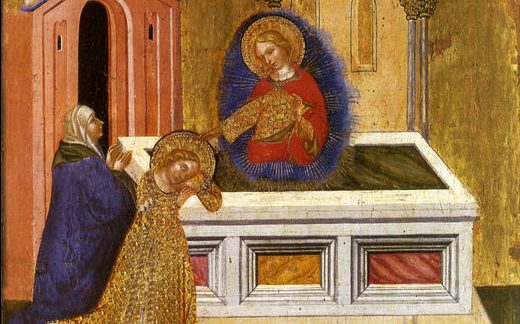
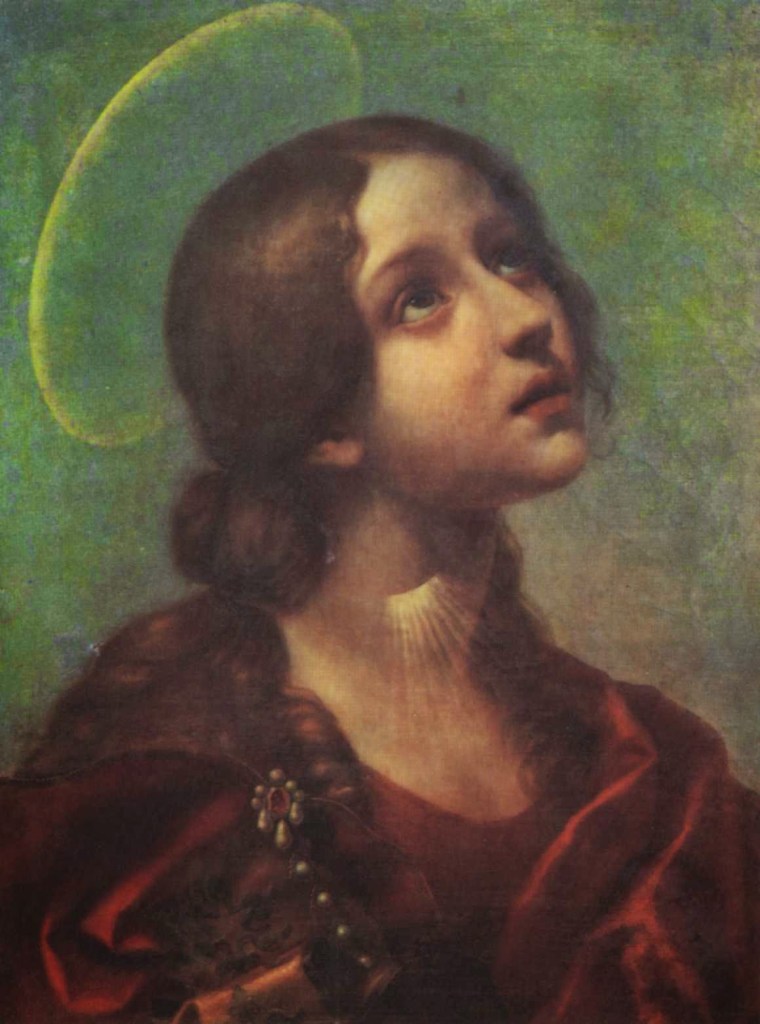
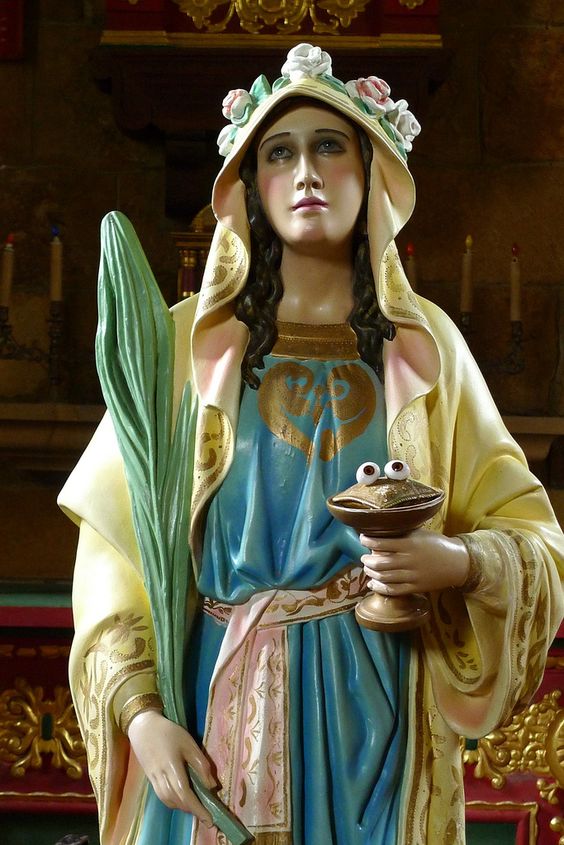
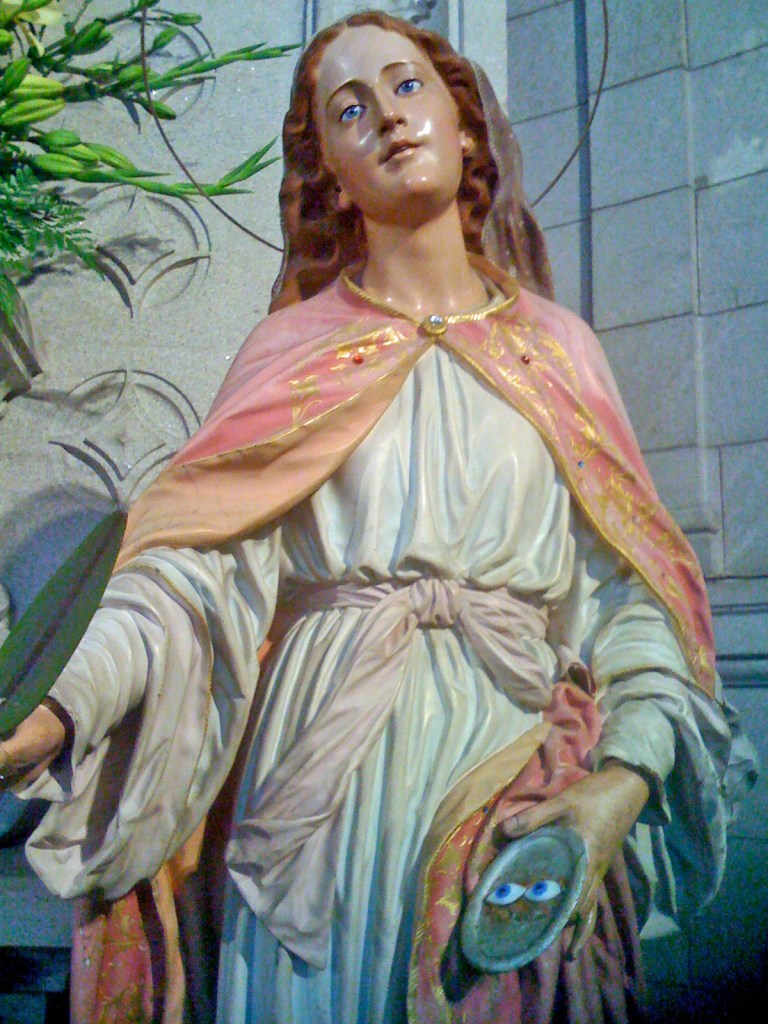


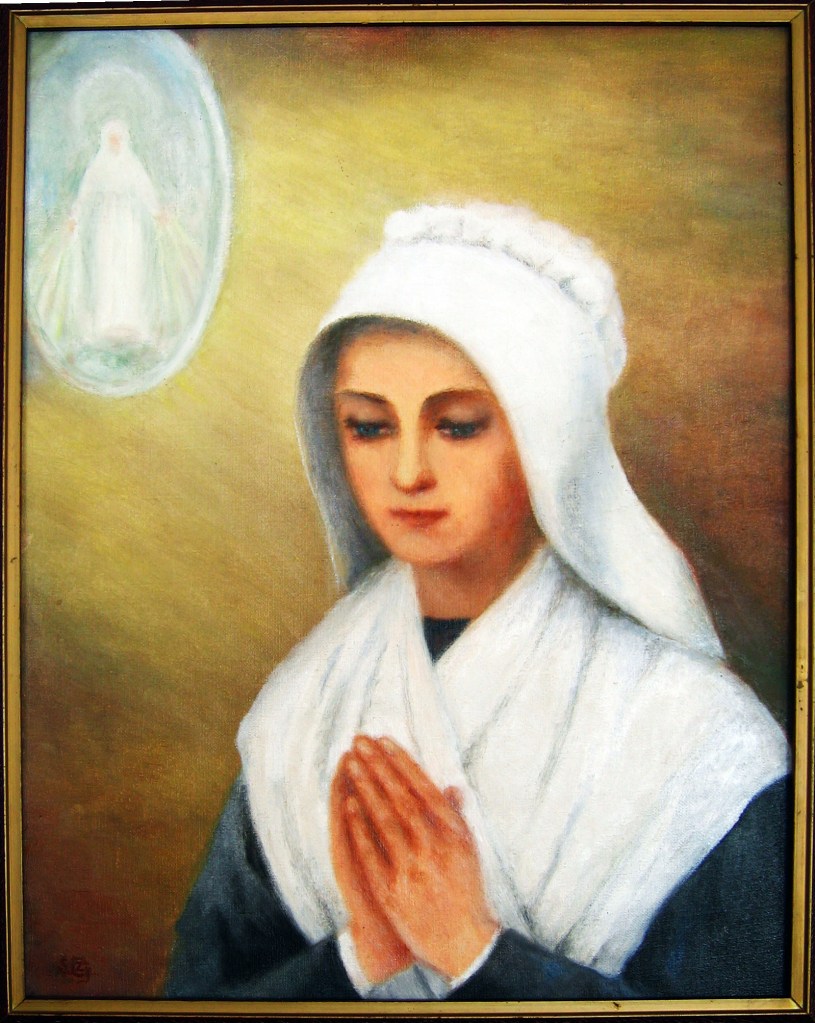


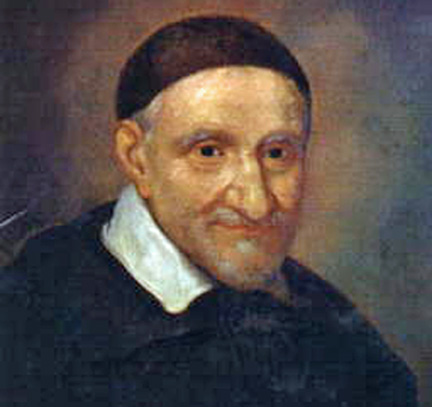




 Everyday Life Spirituality