THE BLESSED FAMILY OF ASSISI

The Family of St. Clare

To watch the YouTube video, click arrow in thumbnail below:

The Offreduccio clan of Assisi, the family of St. Clare, didn’t just produce ONE saint – they gave the world an entire holy dynasty! This family certainly carried the holiness gene – sanctity seemed to permeate their DNA!😇

In this post, we’ll explore the surprising spiritual journeys of Clare’s mother, two sisters, an aunt, and a cousin. Learn how this remarkable wealthy and noble family embraced poverty and revolutionized religious life in medieval Italy. From midnight escapes to miracle healings, their story is filled with drama, devotion, and Divine inspiration.

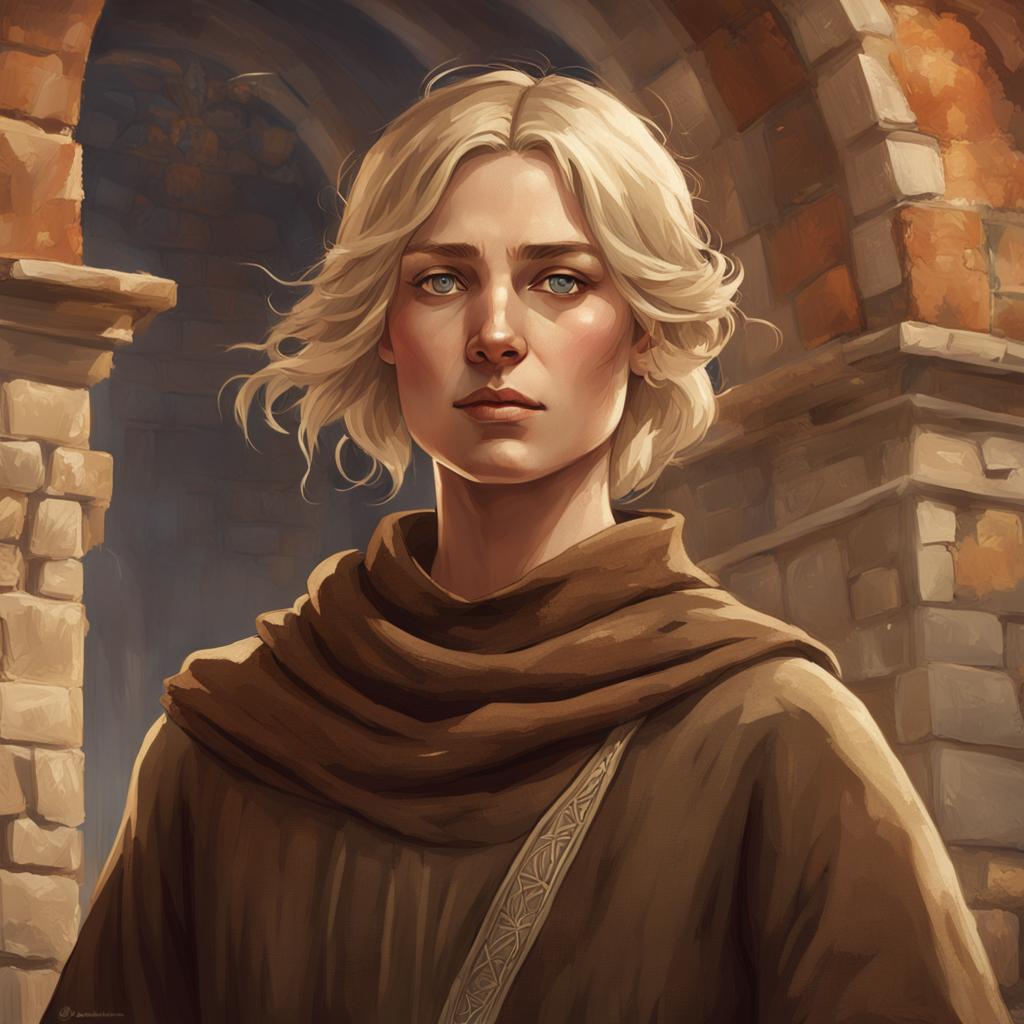
BLESSED ORTOLANA OF ASSISI

Ortolana Offreduccio knelt in the tranquil embrace of the church, the cool air wrapping around her like a comforting shawl. Her gaze drifted to the statue of the Blessed Virgin nestled in the alcove to her left, then shifted to the crucifix looming above the altar. It was the Fall of 1193, a time of joy and trepidation, for she had recently discovered she was with child. The news brought exhilaration to her and her husband, Favarone, yet a flutter of anxiety stirred within her. Childbirth in those days was fraught with peril, often claiming the lives of both mother and infant.

In the stillness, with only the flickering candlelight to accompany her, Ortolana placed a gentle hand on her barely noticeable belly, closed her eyes, and offered a heartfelt prayer to Jesus and His Blessed Mother, beseeching for a safe delivery and a healthy child. Just then, a voice broke the silence, soothing and resonant: “Fear not, for you will safely give birth to a light which will shine on all the earth.” Startled, she opened her eyes and scanned the empty church. Soon realizing the voice was of Divine origin, her worries dissipated, replaced by a profound sense of peace that enveloped her throughout her pregnancy.

Born into the noble Fiumi family, Ortolana (sometimes called Hortulana) was a descendant of a lineage of knights and was raised with deep Catholic faith and piety. Before her marriage, she embarked on numerous pilgrimages to sacred sites, including Rome and the Shrine of Archangel Michael on Mount Gargano in southeastern Italy. Pilgrimages in those days typically included a retinue of nobles, knights, and their attendants. Among her companions was a woman named Pacifica, described by some as a friend, though it remains uncertain if she was the same Pacifica who was Clare’s cousin. Ortolana and Pacifica even ventured to the Holy Land, a perilous but not uncommon undertaking in the wake of the Crusades, fully aware of the dangers that lay ahead on their journey.

Upon her return from her pilgrimages, Ortolana married the man chosen by her parents: Sir Favarone Scifi de Offreduccio, a knight hailing from one of Assisi’s most esteemed noble families. In her new life in Favarone’s elegant palace, Ortolana embodied kindness, love, and loyal devotion as a wife, nurturing her faith with the same fervor she had shown on her journeys.

On July 16, 1194, joy filled the household as she welcomed a beautiful, golden-haired baby girl into the world. As she gazed into her daughter’s innocent face, memories of the heavenly words she had heard in church months earlier, proclaiming her child to be a “light to the world,” echoed in her mind. In that moment, she decided to name her daughter “Chiara,” the Italian form of Clare, which means “clear, bright, and shining.”

Ortolana and Baby Chiara (Clare)

Ortolana’s family soon expanded with the arrival of four more children: Don Boso, Penenda, Agnes, and Beatrice. True to her name, which means “the gardener,” she lovingly referred to Clare and her other daughters as “her little plants.” Years later, Clare would embrace the title of “the little plant” of St. Francis, who, as she described, “took so much care, through his words and through his works” to “cultivate and make it grow.”

However, in 1200, turmoil struck Assisi with an uprising that forced the nobility, including Favarone, Ortolana, and their children, to flee to Perugia, while war raged against their city. The battle of Collestrada in 1202 saw Assisi’s defeat, leading to the capture and imprisonment of many knights, including Francesco, the son of a prosperous silk merchant, Pietro Bernadone. Francesco endured nearly a year in captivity. Finally, peace returned in 1210, allowing Ortolana, her husband, and their children to return to their beloved Assisi.

Ortolana’s piety and faith permeated every aspect of her life, and she passed these virtues on to her children. The family lived near the Cathedral, often visiting to pray and attend Mass. Gracious and charitable, Ortolana frequently ventured out to the poor neighborhoods of Assisi, offering aid and sustenance to those in need. Ortolana and Clare became very well-respected in Assisi because of their pious and charitable way of life.

During this time, Francesco Bernardone, whom we now know as St. Francis of Assisi, underwent a profound conversion and transformation following his time as a prisoner of war. He left his family and their thriving business to pursue a life of poverty, humility and good works in imitation of Christ. By 1210, now a deacon, he was entrusted by the Bishop to preach during Lent. Ortolana and her daughters attended one of his sermons, eager to hear to the words of this young man who had become such a controversial figure in Assisi. This moment proved pivotal for Clare, who was captivated by Francis’ eloquent preaching and fervent spirituality.

On the night of Palm Sunday in 1212, she made the courageous decision to join Francis’ burgeoning movement, becoming his first female follower and the founder of the Poor Ladies of San Damiano, now known as the Poor Clares.

I won’t delve deeply into Clare’s life here, as I covered her remarkable journey in a previous post titled “The Life of St. Clare of Assisi:‘The Other Francis’.” I encourage you to check it out for a more detailed exploration of her story.

Little is known of Ortolana’s initial reaction when her daughter Clare left home to follow Francis. Perhaps the apparent betrayal deeply wounded the kind-hearted mother — or maybe, with a mother’s intuition, she had sensed it coming. Regardless, the family was in for another shock when, just 16 days after Clare’s departure, her younger sister, 14-year-old Catarina, inspired by her sister’s courage and dedication, also ran away from home to join Clare.

After Favarone’s death, Ortolana, now a widow, made the decision to follow in both of her daughters’ footsteps. Around 1226, she disposed of her wealth, distributing the proceeds to the poor, and wrote a farewell letter to her family. Ortolana then joined The Poor Ladies at the San Damiano convent, where she was personally invested into the Order by Francis himself. True to her name, Ortolana was entrusted by Clare with the care of the monastery’s vegetable garden, a vital role in ensuring the survival of a community that subsisted on what they could grow and what was donated.

One day, a gravely-ill boy was brought to Clare and Ortolana at their monastery, with the hope that the prayers of these two devout women would bring about a miraculous cure. To the amazement of all, the child was healed. Clare attributed the miracle to Ortolana’s heartfelt prayers; however, Ortolana humbly insisted that it was Clare’s prayers that had brought about the healing. The truth of whose prayers truly obtained this grace remains a mystery, but it seems likely that the intercession of both saintly women played a part. This miraculous cure serves as a testament to the power of prayer and the holiness of this remarkable family.

Within the walls of the monastery, Ortolana continued to dedicate herself to hidden sacrifices for Jesus. Her days were filled with prayer, penance, and labor, all aimed at serving God and her fellow sisters. The miracles attributed to her during her life and after her death reflect the strength of her faith and the sanctity of her actions.

Ortolana passed away around 1238. Her cause for canonization was initiated in recognition of her virtuous life and the miracles attributed to her. Ortolana of Assisi was declared a Blessed by the Catholic Church, although the exact date of her beatification is not well-documented. Her legacy is particularly honored as the mother of Saint Clare and Saint Agnes of Assisi, both canonized saints, as well as Beatrice, who also is recognized as a Blessed.

At St. Clare’s canonization, Pope Alexander IV said, “Her mother, named Ortolana, [was] intent upon pious deeds, followed her daughter’s footprints, and afterwards accepted this religious way of life. In this excellent garden which had produced such a plant for the Lord, she happily ended her days.” (Bull Can., 10: CAED 241).

CATARINA/ST. AGNES OF ASSISI
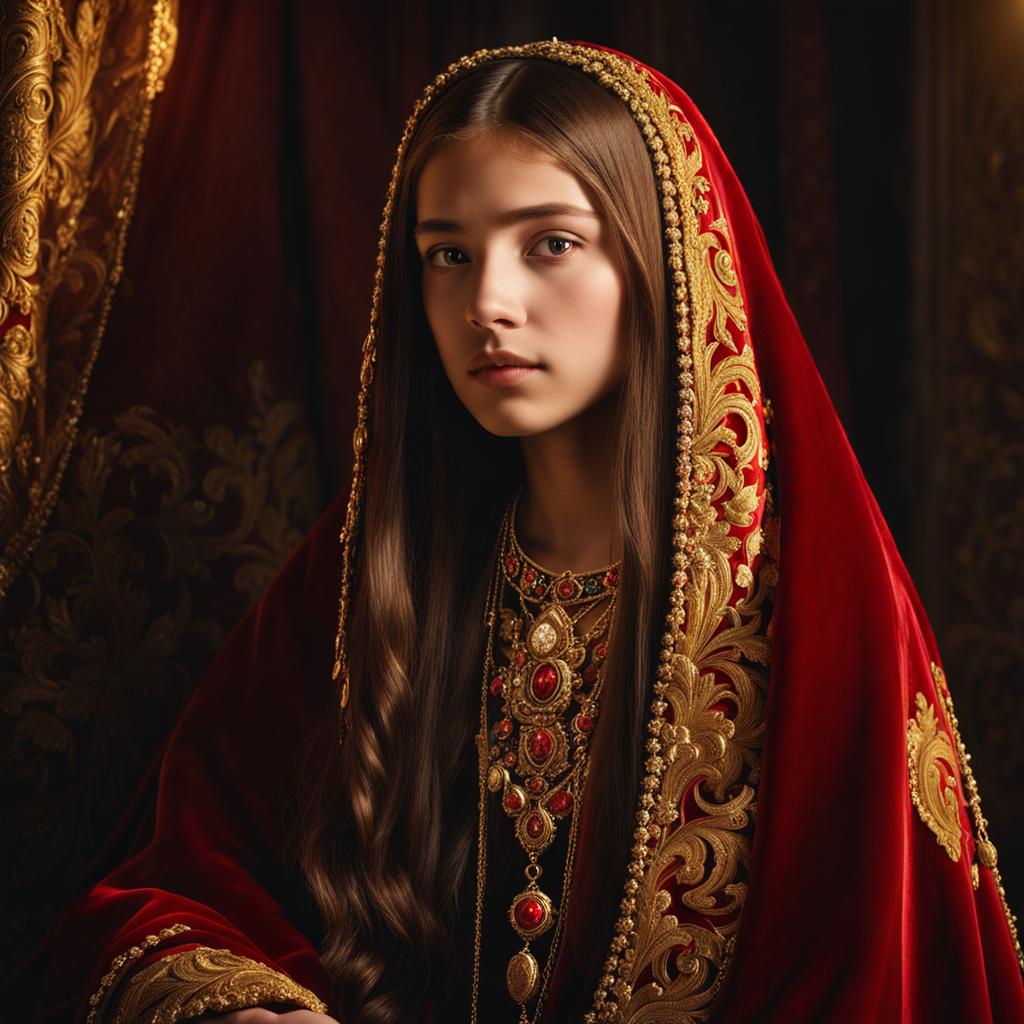
Catarina Offreduccio

Just 16 days after Clare’s departure, inspired by her sister’s example, Agnes made the dramatic decision to run away from home and join Clare at the convent of the Benedictine nuns in San Paolo, where Francis had taken Clare temporarily until a residence could be built for her.

Favarone, enraged at the loss of yet another daughter, sent his brother Monaldo, accompanied by some other relatives and armed knights, to storm the convent and persuade – or force – Catarina to return home. When they arrived and confronted her, only to be met with her staunch refusal to leave, Monaldo drew his sword to frighten her. But he was struck with a violent pain in his arm, causing him to drop the sword. Then the other men forcibly pulled Catarina from the monastery by her long hair, striking her as she resisted with all her might. Two different accounts describe what happened next: In one version, they dragged her down the mountainside with such force that she was rendered unconscious. In the other account, when Clare arrived to defend her, Catarina’s body became miraculously heavy, making it impossible for them to carry her. In any case, it became clear to the men that they were up against supernatural forces, and they ultimately left her behind.

Catarina ran back to the convent, overjoyed to be able to remain with her sister. Francis, for his part, was impressed and deeply moved at Catarina’s heroic resistance to the threats of her family, and he realized what spiritual treasures dwelt in the soul of this young girl. As he had done with Clare, he cut off Catarina’s long, lovely hair, and gave her a rough, penitential garment and veil similar to Clare’s. At receiving the habit, Catarina chose as her new name “Agnes,” which means “pure” or “holy,” reflecting the values that Catarina embraced as she dedicated herself to a spiritual path. The name Agnes also carries a legacy of sainthood, being associated with Saint Agnes of Rome, a martyr of the 4th century known for her purity and faith. Some sources say that Francis himself suggested this name, because Catarina reminded him of a gentle and innocent lamb, and the name also honored Christ, the spotless Lamb of God.

St. Agnes of Assisi

As one of the Poor Ladies of San Damiano, Agnes exhibited such a high degree of virtue and faithfulness to Clare’s ideals, inspired by Francis, that her fellow nuns believed she had discovered a road to perfection known only to herself. At the young age of 22, she was appointed by Francis as Abbess of a new community of Poor Ladies in Monticello, near Florence. Agnes governed the community with wisdom and charity, teaching the nuns to love and embrace Lady Poverty and the difficult but rewarding life of virtue. Though life in the convent was harmonious, Agnes’ great cross was being separated from her beloved sister Clare, as evidenced by a moving letter she wrote, expressing her heartache at the separation. Describing herself as “extremely distressed and saddened,” she wrote: “What shall I say, now that I can no longer hope to see my sisters again?” Still, she carried on bravely with her new duties, offering her sufferings to Jesus, the Lamb of God.

Agnes went on to establish Poor Ladies communities in Mantua, Padua and Venice, inspiring many young women to leave their worldly lives to pursue a life consecrated to God in monastic seclusion. Like her sister Clare, she embodied the Franciscan spirit and lived in humble faithfulness. Agnes was favored with many extraordinary graces from God. It is said that she experienced levitation during prayer, similar to St. Francis, and was blessed with a vision of the Infant Jesus. One year, from Holy Thursday until Holy Saturday, she became so immersed in prayer that she lost all track of time, believing she had prayed for only one hour when, in fact, three days had passed.

In 1253, Agnes was summoned to Assisi because Clare was dying. She devoted herself to nursing Clare until her sister’s death on August 11, and took on the solemn task of planning her funeral. Just before Clare passed away, she comforted Agnes with the words, “My beloved sister, it is the will of God that I go, but be comforted, you will soon come and rejoin me with our Lord.” This prophecy was indeed fulfilled when Agnes died three months later, on November 16, and was buried next to Clare and their mother, Ortolana.

Agnes’ tomb became a site of numerous reported miracles. In 1753, the year marking the 500th anniversary of her death, she was canonized as St. Agnes of Assisi by Pope Benedict XIV.

One well-known quote from St. Agnes during her lifetime resonates powerfully even in the 21st century: “The most deadly poison of our times is indifference. And this happens, although the praise of God should know no limits. Let us strive, therefore, to praise him to the greatest extent of our powers.”

BLESSED BEATRICE OF ASSISI

Beatrice Offreduccio

In the year 1229, Beatrice Offreduccio found herself at a crossroads. Because of her mother’s decision to join the Poor Ladies of San Damiano, Beatrice at 18 years of age had become the sole heiress to the Offreduccio family fortune. The weight of responsibility pressed upon her, urging her towards marriage and a life of nobility. However, the path her sisters had chosen beckoned to her as well.

Inspired by Clare and Agnes, Beatrice made a decision that would alter the course of her life, as it had that of her sisters. She turned her back on wealth and privilege, choosing instead to join the Order of the Poor Ladies at San Damiano. Within the austere walls of the monastery, Beatrice immersed herself in prayer, embraced mortification, practiced fasting, and performed good works. She outlived her mother and her sisters Clare and Agnes, becoming a pillar of the community at San Damiano.

Blessed Beatrice of Assisi

Beatrice’s devotion to her sister Clare extended beyond Clare’s earthly life. During Clare’s canonization process, Beatrice served as the ninth witness. Her testimony provided invaluable insights into Clare’s childhood, her embrace of St. Francis’s teachings, and her leadership as Abbess of the Poor Ladies.

Beatrice died in 1260, and was laid to rest in the church of St. George, which later became part of the Basilica of Santa Chiara in Assisi. In recognition of her pious life, the Catholic Church eventually declared Beatrice a Blessed, cementing her place in religious history.

BIANCA
Bianca

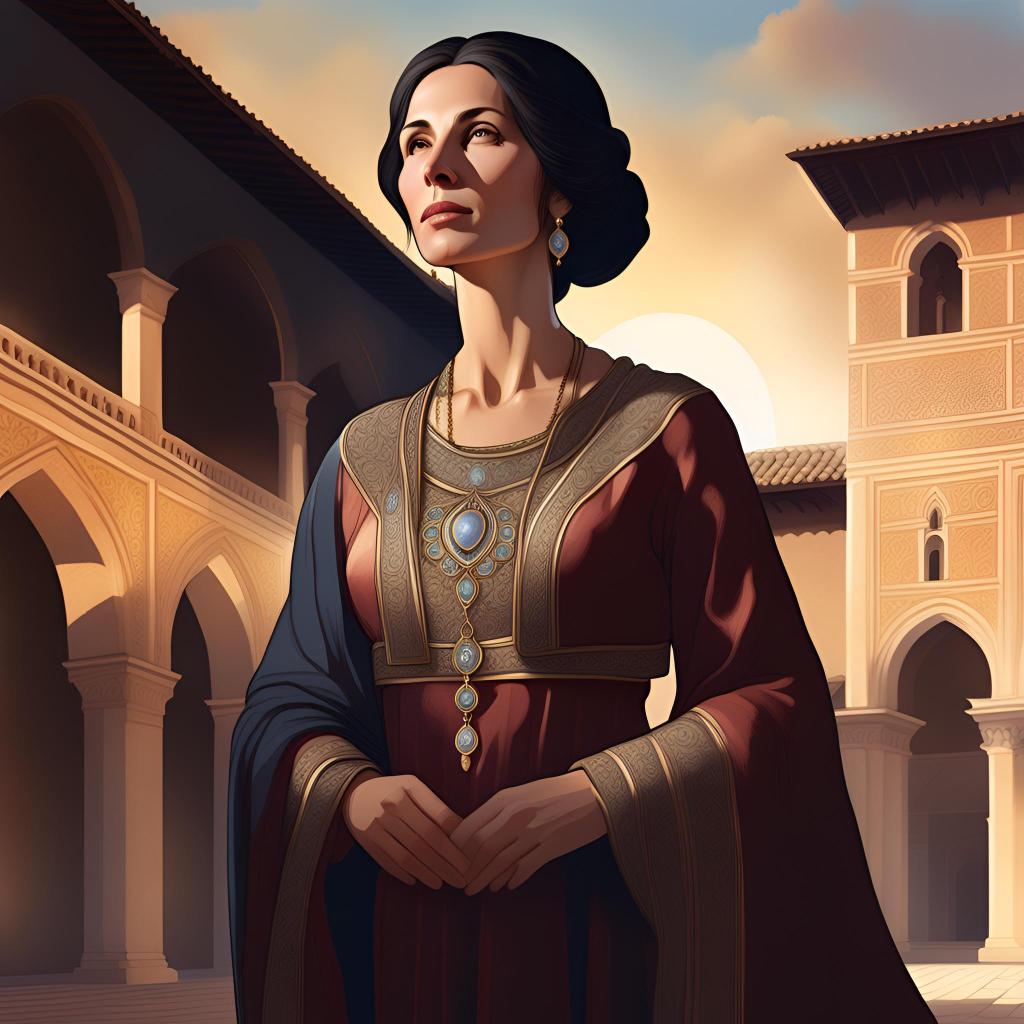
Bianca was either the sister or sister-in-law of Favorino Offreduccio, Clare’s father. As such, she was aunt to Clare, Agnes, and Beatrice. But Bianca was more than just a relative; she was a confidante and co-conspirator in Clare’s spiritual journey.

On that fateful night of Palm Sunday in 1212, when Clare made the daring decision to leave her family’s home, it was Bianca who stood by her side. Together with Clare’s cousin Pacifica, who may have been Bianca’s daughter, they slipped away under the cover of darkness. Their destination: the humble Portiuncula chapel, where Francis of Assisi awaited.

In that small, candlelit sanctuary, Clare took her first steps towards a life of radical poverty and devotion. Bianca witnessed as Francis cut Clare’s hair and gave her a simple habit, marking the birth of the Second Order of Francis, a profound moment that would ripple throughout history.

But Bianca’s role didn’t end there. Inspired by Clare’s courage and conviction, she too eventually joined the Poor Ladies of San Damiano. This decision wasn’t made lightly; it meant abandoning the comforts of a noble life for a path of austerity and prayer. Yet Bianca embraced it wholeheartedly, her choice a testament to the powerful bonds of family and faith that fueled the Order’s growth.

While the details of Bianca’s daily life within the convent walls are lost to us, her presence alongside Clare speaks volumes. In those early, uncertain years, as the Poor Ladies faced opposition and struggled to establish their way of life, Bianca’s staunch support must have been a real source of strength for Clare.

From aunt and niece to sisters in faith, Bianca and Clare’s relationship evolved into something profound. Together, they helped forge a new path for women seeking a life of deep spiritual devotion. Bianca’s story, though less celebrated than Clare’s and Agnes’, is a reminder of the quiet supporters who often play crucial roles in monumental changes.

Bianca of Assisi stands as a symbol of loyalty, courage, and the transformative power of faith. Her legacy lives on in the Order she helped establish, a testament to the enduring impact of those who choose to follow their convictions, no matter the cost.

BROTHER RUFFINO

Ruffino & Clare

Ruffino Offreduccio was a relative of St. Clare’s, most probably her cousin.  He was one of St. Francis of Assisi’s first 12 followers. Ruffino’s spiritual journey was marked by an intensity that captured the admiration of Francis, who used him as example of the “ideal friar.” Francis often praised Ruffino’s “virtuous and incessant prayer,” marveling at how Ruffino seemed to commune with the Divine even in sleep. A man of angelic purity, so profound was Ruffino’s piety that Francis used to say that he was “canonized in Heaven” while still walking the earth, and often referred to him as “Saint Ruffino,” except in his presence.

Yet Ruffino was no preacher. His was a contemplative nature, more comfortable in silent communion with God than addressing crowds. His focus on the Divine was so complete that the world around him often faded into insignificance. This single-minded devotion, while admirable, posed challenges when Francis sought to broaden Ruffino’s ministry.

In a tale recounted in “The Little Flowers of St. Francis,” Francis once instructed the reluctant Ruffino to preach in Assisi. When Ruffino hesitated, Francis, in a dramatic gesture of spiritual authority, ordered him to strip to his undergarments, go the the church and preach that way, as a gesture of holy obedience and humility. The scene that unfolded in the church was at first comical, with townsfolk laughing at the half-naked friar. But Francis, moved by Ruffino’s obedience, began to question himself: “How could you, a humble son of a merchant, send the distinguished Ruffino to preach as if he were a madman? You shall do the same thing you have ordered him to do!”

He then removed his own mantle and habit and went to the church, carrying both his and Ruffino’s garments. The people, seeing Francis also in his underwear, believed he and Ruffino had truly lost their minds from excessive penance. While Ruffino was preaching, Francis ascended the pulpit and began to speak about holy penance, voluntary poverty, and the nakedness of Christ during His Passion. This moved the crowd to tears, so deeply inspired were they by the actions of both Ruffino and Francis. From that day on, they were so greatly revered by the people that those who managed to touch the hem of their garments considered themselves blessed.

Ruffino’s spiritual journey was not without trials. In a harrowing episode, he faced severe temptation from the devil, who appeared to him as a crucifix, sowing doubt about his salvation. The demon told him that all his good deeds were in vain, because he was not among the elect destined for eternal life. This caused Ruffino great distress and doubt, both about his faith and his following of Francis.

Brother Masseo, another early follower of Francis, tried to console Ruffino, but it was Francis who ultimately helped him overcome the crisis. Through Divine revelation, Francis learned of Ruffino’s condition and confronted him, revealing the details of his temptation. Francis assured Ruffino that it was the devil, not Christ, who was tormenting him. Moved by Francis’s words, Ruffino confessed his struggles and found great comfort and consolation. Francis encouraged him to continue his prayers and advised him on how to boldly respond to the devil’s accusations the next time he appeared. He assured him that this trial would ultimately be beneficial. When the devil returned, Ruffino responded as Francis had instructed, and the devil was unable to harm him. The demon fled in rage, causing a landslide of rocks from Mt. Subasio. Ruffino was then consoled by a real vision of Christ.

Brother Ruffino was one of the four brothers who were close to Francis during his last illness, and he was privileged to see the stigmata wound in Francis’ side before he died. In 1246, along with Brothers Angelo and Leo, Brother Ruffino provided crucial material for the “Legend of the Three Companions,” a pivotal biographical work that would shape future narratives about Francis.

Ruffino passed away around 1270. Though never officially beatified or canonized, his legacy as a paragon of Franciscan spirituality endures.

Brother Ruffino

The sanctity of the Offreduccio family members reflects their steadfast commitment to embodying the Franciscan ideals of poverty, humility, and prayer. Their lives were characterized by profound faith and a selfless dedication to serving others, creating a powerful legacy that continues to inspire future generations. Through their actions, they set a remarkable example of how to live a life devoted to God and the well-being of those around them, demonstrating that true greatness lies in humility and love.

ST. CLARE OF ASSISI: “The Other Francis”

Chiara Offreducio, known as St. Clare of Assisi

To watch the YouTube video, click arrow in the thumbnail below:

The honey-colored stone buildings gleamed in the bright Italian sunshine as dawn broke over the town of Assisi one day during Lent in the year 1212. The lively medieval town, perched on the slopes of Monte Subasio in the heart of the Umbria region of Italy, offered breathtaking views of the surrounding misty valleys and rolling green hills. The scent of freshly baked bread wafted through the air, mingling with the earthy aroma of livestock and the pungent smell of tanned leather. As the sun climbed higher, the narrow, winding streets echoed with the sounds of daily life – merchants hawking their wares, craftsmen at work, and the distant chiming of church bells. To everyone else in Assisi, it was just an ordinary day. But for a young woman named Chiara Offreduccio, it was the day that would determine her destiny.

Morning in Assisi, Italy in the 1200s

In the modest church of San Giorgio on the outskirts of town, Chiara (Italian for Clare) sat with her family during the Lenten service, listening to the preaching of a young man named Francesco Bernardone. The more he spoke, the more Clare was riveted by his words about a life dedicated to truly living the Gospel values. His radical ideas were beginning to take root, attracting admiration, as well as scorn and suspicion, from his fellow citizens.

She glanced at her two younger sisters, Beatrix and Catarina, sitting on either side of her, and then turned her head slightly to look at her mother. They all were listening politely, but none appeared moved and inspired as Clare herself was feeling. She had heard the gossip around Assisi about Francesco (Italian for Francis), a wealthy, charismatic, handsome young man who loved parties and revelry, but had suddenly decided to leave his family and their thriving silk business to pursue a life of poverty, humility and service to others in imitation of Christ.

As she walked home with her mother and sisters, Clare thought about her own life. She knew she was fortunate and blessed to belong to a wealthy and noble family. Born on July 16, 1194, she was the eldest daughter of Favorino Sciffi, the Count of Sasso-Rosso, and his wife, Ortolana. Their family legacy traced back to an ancient Roman lineage, their wealth evident in the grand palace that graced Assisi and the castle perched on Mount Subasio’s slope. Ortolana, noble and deeply pious, had embarked on pilgrimages to Rome, Santiago de Compostela, and the Holy Land. Her faith was etched into her very being, and she had instilled her deep spirituality into her daughters from their early childhood.

As was typical for most young women of her status, Clare had received a basic education in reading, writing, a little Latin, and basic arithmetic, along with religious instruction. She spent her days learning household management, personal hygiene, skincare, fashion, sewing and embroidery. In her leisure time she could pursue dancing, music, poetry or painting as she wished. Her wardrobe consisted of elegant garments made of the finest materials, often decorated with elaborate embroidery and fur. As a young woman of marriageable age, she attended social events, feasts and tournaments. Marriages among the wealthy were often arranged for political or economic advantages and were crucial for forming alliances and consolidating wealth and power. Clare was expected to marry well, and for the past several years had been facing increasing pressure from her family, especially her father, to do so. She finally had persuaded her parents to let her delay marriage until she was 18, and that time was fast approaching.

But for years now, Clare had found herself detaching from all the worldly trappings of her life, wanting a more deeply meaningful and spiritual existence. She spent many hours in prayer and contemplation, and practiced penances to achieve greater virtue. Unlike most of her friends, who were caught up in frivolous pursuits, she saw all the poor people of Assisi and its surrounding areas, and felt a deep compassion and sense of responsibility for them. As a child, she sometimes had hidden food from her plate to later give to the poor. Little by little, Clare found herself torn between two worlds. But despite all her inner turmoil, she did not know what to do or what God expected of her.

That is, until today.

Francis’ words stirred the depths of Clare’s soul

Francis’s words stirred the depths of her soul, and she finally had a focus for the nagging restlessness and dissatisfaction with her life that had haunted her throughout her teenage years. Francis and his followers exuded a peace that seemed sorely lacking in the people around her, who were mainly focused on material possessions and power. Clare now knew that her heart beat to a different rhythm—one that echoed the footsteps of the wandering friar named Francis, called “Il Poverello” or “The Little Poor Man”— a radical path that led not to marriage and privilege, but to a sacred union with Christ. That day marked the beginning of her profound spiritual journey, guided by Francis’s teachings and example. From then on, every chance she got, Clare listened to Francis preaching.

Her father announced that it was time she prepared to get married, and that he had an eligible suitor in mind for her. Clare realized that she didn’t have much time left to make a major change in her life before it was too late. She went to see Francis and poured out her heart to him. After listening carefully, Francis, recognizing her sincerity and devotion, advised her to leave behind her worldly possessions and follow the path of humility, simplicity, poverty and service to God, as he had.

On the night of Palm Sunday, March 20, 1212, with the consent of the Bishop, Clare, along with her Aunt Bianca and a cousin, set out for a prearranged meeting with Francis and his companions. Their meeting place was the Portiuncula, a small chapel dedicated to the Blessed Mother, which Francis had restored. There, in the soft glow of the candles, Francis cut off Clare’s beautiful golden hair, a symbolic act demonstrating that she was no longer bound by the laws of man or society, but by the will of God. Clare then exchanged her exquisite dress for a rough woolen habit and veil, her fine leather shoes for wooden sandals, and her jeweled belt for a knotted rope. Francis then brought her to the convent of the Benedictine nuns of San Paulo, since she was the first woman follower of Francis, and there was no residence for her as yet. With the Benedictine Sisters, Clare would learn how to live the life of a nun in a religious community.

It didn’t take long for Clare’s father to find her and attempt to force her back home. She adamantly refused, professing that she would have no other husband than Jesus Christ. Clare’s family, desperate to reclaim their daughter, tried every tactic. They dangled jewels and whispered promises of status and prestige. When persuasion failed, they resorted to force. One day, they stormed the chapel where Clare sought solace. She clung to the cold stone of the altar and defiantly revealed her cropped hair. The scissors had severed more than her lovely hair; they had cut her ties to earthly things. Her family, stunned by her resolve, finally relented and left Clare in peace.

Clare’s hair was cut as a symbol of her renunciation of worldy things and her commitment to God.

In order to give her the greater solitude she needed, Francis then sent Clare to Sant’ Angelo in Panzo, another Benedictine convent, nestled on the flanks of Subasio. There, Clare’s days were spent in prayer and contemplation. But fate wove another thread into her story: Sixteen days later, her sister Catarina arrived, also wanting to pursue the path Clare had chosen. Catarina shed her former name and embraced a new one—Agnes. The family had now lost two daughters to a higher love than human marriage. Soon their father’s brother Monaldo arrived, flanked by a group of stern men. As Clare prayed for Agnes’ safety, Monaldo demanded Agnes’s return, but Agnes would not be swayed. Eventually, their uncle gave up and left.

It wasn’t long before other women joined Clare and Agnes. It was obvious that a convent would have to be built for them as soon as possible. Their dwelling, hastily constructed near the church of San Damiano, became a peaceful sanctuary of simplicity, poverty, austerity and seclusion. This was the first community of the Poor Ladies of San Damiano, as they called themselves — the Second Order of Francis. After Clare’s death, they would become known as the Clarisse, or Poor Clares in English.

In the beginning, having no formal rule to guide them, Clare and her companions followed a simple formula vitae, or life formula, given to them by Francis, which can still be found among his works. Unlike the Franciscan friars who roamed the countryside preaching and evangelizing, Clare’s nuns found their sanctuary within the sturdy walls of enclosure. For women, an itinerant life such as the friars led was a distant dream. Their days were etched with the simplicity of manual labor and prayer. The daily life of the Poor Ladies of San Damiano combined the joy and simplicity of the Franciscan call within the framework of their contemplative community.

Their days began with Morning Prayer, Mass and reception of the Eucharist—the heartbeat of their existence. Throughout the day, they prayed the Canonical Hours, read Scripture and other spiritual literature, and lived mostly in silence. Clare considered work a grace—a way to banish idleness without extinguishing the spirit of prayer. They made altar breads (hosts), tended to secretarial tasks, sewed, cooked, and maintained the monastery. Two sacred hours were set aside for private prayer—one at dawn, the other in the evening. Some sought to pray before the Blessed Sacrament; others communed with God in nature. Music—from Gregorian chants to contemporary compositions—enriched their days, echoing Francis’s love for all things. This was a time of great simplicity and devotion, where the women relied solely on their faith and the teachings of Francis. They imitated Christ, following His footsteps with joy, trusting to God for their daily existence.

In 1215, at the insistence of Francis, Clare reluctantly accepted the mantle of Abbess at San Damiano at the age of 21. She continued in that role until her death in 1253. She preferred the titles “mother,” “handmaid,” or “servant.” Shyness veiled her authority, and when she gave orders, it was with humility. The tedious tasks, like scrubbing floors and mending habits, she reserved for herself. The nuns were her flock, and she looked after them with maternal tenderness.

Clare had a profound and special devotion to the Holy Eucharist. To deepen her love for Christ crucified, she memorized the Office of the Passion, a beautiful book of prayers composed by Francis himself. She would emerge from prayer with her face luminous, glowing with peace and joy. Eyewitnesses claimed she possessed a radiant beauty, even without the luxurious trappings of her earlier life. Under Clare’s wise and gentle and guidance, the community of San Damiano flourished. It became a sanctuary of every virtue, a true nursery of saints. The nuns there lived lives of simplicity and holiness, inspired by Clare’s example. They called her “alter Franciscus”—”another Francis” — because she so perfectly mirrored his virtues, his simplicity.

Francis and Clare shared a rare and enduring friendship and spiritual bond. Francis was Clare’s inspiration, her touchstone, her spiritual father figure. When residing at Assisi, he often visited Clare to give her holy counsel, to which she trustingly deferred. Clare, in turn, played an important role in supporting and encouraging Francis throughout his life, especially during times when he was assailed with doubts. When he expressed to Clare his wish to lead a more contemplative life, Clare persuaded him to continue his mission of working among the people.

St. Francis & St. Clare

Clare’s heart was filled with joy as she saw her family join her in this sacred journey. Her younger sister Beatrix, her widowed mother Ortolana, and her faithful Aunt Bianca, all eventually followed Agnes into the Order, creating a close-knit family of faith. However, as the community grew, so did the need for a more structured rule. In 1219, while Francis was away in the East, Cardinal Ugolino, the protector of the Order, drafted a written rule for the Poor Ladies, based on the Rule of St. Benedict. Unfortunately, this new rule, approved by Pope Honorius III, inadvertently stripped the Poor Ladies of their Franciscan identity of absolute poverty, making them more like a congregation of Benedictines. When Clare discovered that the new rule allowed the holding of property in common, she was deeply troubled. This was entirely against the intentions of Francis, who had forbidden both his friars and the Poor Ladies from possessing any worldly goods, even in common. They were to depend entirely on what the Friars Minor could beg for them. Clare’s resistance to these changes was both courageous and steadfast.

When Francis, ill and with failing eyesight, came to visit to San Damiano for what would be the last time, Clare provided a small hut for him in an olive grove near the monastery and served as his caretaker. In this peaceful and secluded place, Francis composed his famous “Canticle of the Sun.” After Francis’s death, Clare and her community had the opportunity to venerate his remains, especially the stigmata on his hands and feet, a moment poignantly captured in one of Giotto’s frescoes.

In 1228, Cardinal Ugolino, now Pope Gregory IX, visited Assisi for the canonization of Francis. He took this opportunity to visit Clare at San Damiano and urged her to accept some provision for the unforeseen needs of the community. Clare, however, firmly refused. When Gregory offered to absolve her from her vow of strict poverty, she responded with unwavering conviction, “Holy Father, I crave for absolution from my sins, but not to be absolved from the obligation of following Jesus Christ.” The Pope was deeply moved by Clare’s heroic commitment to poverty. His admiration and fatherly affection for Clare is evident in his letters to her, which still exist today.

Ultimately, on September 17, 1228, he granted her the unique privilege — the first of its kind ever issued by the Vatican — that allowed Clare and her community to continue living in absolute poverty as St. Francis had intended. The original autograph copy of this privilege is preserved in the archive at Santa Chiara in Assisi, a testament to Clare’s unwavering faith and dedication.

THE RULE OF THE POOR CLARES:

Clare’s loyalty to Francis’s ideals and teachings was evident throughout her life. Always dedicated to his rule and mission, she was the embodiment of the spirit of the Franciscan movement.  The Rule of the Order of the Poor Ladies, written by Clare of Assisi in the 13th century, is a set of guidelines for the nuns in this religious community. The Rule emphasizes simplicity, humility, and a deep commitment to spiritual life, inspired by the teachings of St. Francis of Assisi.

Here are the key points in simple terms:

  1. Poverty: The nuns live a life of extreme poverty, owning nothing personally or as a community. They rely entirely on donations and alms for their needs.
  2. Chastity: They take a vow of chastity, dedicating their lives to God and refraining from marriage and romantic relationships.
  3. Obedience: The nuns vow to obey their superiors and the rules of the Order.
  4. Enclosure: They live in a cloistered environment, meaning they stay within the confines of their monastery and do not go out into the world.

There is no evidence that Clare ever ventured beyond the boundaries of San Damiano. Yet, her influence was so great that Popes, Cardinals and Bishops often came to consult her. Although we do not have too many details of her life in the cloister, “hidden with Christ in God” to use the words of St. Paul, we do know that, inspired by Francis, Clare embraced a life of profound poverty, humility, and self-denial. She became a living reflection of St. Francis’s virtues, dedicating herself entirely to the service of God. Clare also witnessed the foundation of monasteries of Poor Ladies spreading far and wide across Europe, a testament to the enduring legacy of her devotion and leadership.

THE EUCHARISTIC MIRACLE OF ST. CLARE

In the year 1234, the valley of Spoleto was under siege by the army of Frederick II. As the soldiers prepared to assault Assisi, they scaled the walls of San Damiano under the cover of night, much to the horror of the nuns. Despite being ill at the time, Clare went to the chapel and prayed, “Behold, my Lord, is it possible You want to deliver into the hands of pagans Your defenseless handmaids, whom I have taught out of love for You? I pray You, Lord protect these Your handmaids whom I cannot now save by myself.” She suddenly heard a voice from the tabernacle say, “I will always protect you.” Clare then calmly took the ciborium – a large covered cup containing the Eucharist — from the altar and approached an open window where the invaders had placed a ladder. With unwavering faith and courage, Clare raised the Blessed Sacrament high. Miraculously, the soldiers who were about to enter the monastery fell back as if blinded by a dazzling light, and those who were ready to follow them fled in terror.

Eucharistic Miracle of St. Clare

This miraculous event, an account of which is recorded in the writings of Tommaso da Celano, a Franciscan Friar who lived during the time of St. Clare, is the reason St. Clare is often depicted in art holding a ciborium.

Some time later, a larger force led by General Vitale di Aversa, who had not been present during the first attack, returned to launch another assault on Assisi. Clare and her nuns knelt and begged God that the town be spared. Suddenly, a violent storm arose, scattering the soldiers’ tents. They fled in panic. The grateful people of Assisi attributed their deliverance from harm to Clare’s intercession. Their love for Clare, whom they called “the Seraphic Mother,” became even more fervent as she neared the end of her life.

Even as the years etched lines on her face, Clare’s heart remained aflame with the love of Christ. She outlived Francis by 27 years, but suffered serious illness for most of those years. On a cold Christmas Eve in 1252, Clare  lay in her humble cell at the convent of San Damiano. She was gravely ill, her frail body unable to join her fellow Sisters at the Midnight Mass in the new Basilica of St. Francis, one mile from the convent. Her heart ached with longing to be present at the celebration of the Holy Eucharist. As the night progressed, feeling lonely and on the verge of tears, she closed her eyes and poured out her soul to God, expressing her sorrow and yearning.

Suddenly, a miraculous vision unfolded before her. The bare wall of her cell transformed into a vivid scene of the Midnight Mass at the Basilica. She could see the altar, the flickering candles, and the priests in their vestments. The sacred hymns and prayers filled her ears as if she were physically present in the Basilica. Her heart swelling with joy and gratitude, Clare watched the entire Mass unfold, recognizing the familiar faces of the friars and the faithful gathered there. The vision was so clear and detailed that she could recount every moment the next day. This miraculous event brought immense comfort to Clare, reaffirming her deep connection with the Divine, even in her physical weakness. It was a testament to her steadfast faith and the special graces bestowed upon her. Because of this vision, Pope Pius XII designated Clare as the patron saint of television in 1958.  

Having heard that Clare was seriously ill, Pope Innocent IV came to visit her a few days before she died, and gave her absolution. On August 11, 1253, she breathed her last, after murmuring softly to herself, “Go forth in peace, for you have followed the good road. Go forth without fear, for He Who created you has made you holy, has always protected you, and loves you as a mother. Blessed be You, my God, for having created me.”

Wax figure of St. Clare at the Basilica di Santa Chiara in Assisi

Clare was canonized on September 26, 1255 by Pope Alexander IV. Just a year after her canonization, the foundations of the Basilica di Santa Chiara began to take shape beside the ancient church of San Giorgio. But Saint Clare’s influence extends far beyond Assisi, with her name gracing numerous places worldwide.

A charming tradition that has endured through the centuries is an offering of eggs to the Poor Clares as a plea for good weather, especially for weddings. This custom is particularly cherished in the Philippines, at the Real Monasterio de Santa Clara in Quezon City and in Obando, Bulacan. The practice is said to have originated from the dual meaning of Clare’s name in Castilian, where “clara” signifies both a clear interval in weather and the white of an egg.

St. Clare of Assisi’s feast day is celebrated in the Roman Catholic Church on August 11, and in the Church of England and other Anglican Communion churches with a Lesser Festival on the same date, ensuring that her spirit and contributions to faith and community remain vibrant and honored across the world.

SPIRITUAL LESSONS FROM ST. CLARE OF ASSISI

Beyond her miracles, St. Clare of Assisi’s life offers several inspiring aspects:

  1. Radical Poverty: St. Clare embraced a life of radical poverty, following in the footsteps of St. Francis. She renounced material wealth, choosing simplicity and dependence on God. “If we love things, we become a thing,” she said. “If we love nothing, we become nothing.” Although we may not choose or be able to embrace poverty to such an extreme as she did, her commitment to poverty was a powerful witness to the Gospel. Clare’s life reminds us that material success and possessions will not follow us into eternity. Rather than obsess over money or allow it to cause us undue anxiety, we can embrace Christ’s words during the Sermon on the Mount: “Do not worry and say, ‘What are we to eat or drink?’ or ‘What are we to wear?’ All these things the pagans seek. Your heavenly Father knows that you need them all. Seek first the kingdom of God and his righteousness, and all these things will be given you besides.  Do not worry about tomorrow; tomorrow will take care of itself. Sufficient for the day is its own evil.”  Matt. 6:25-34
  2. Courage and Perseverance: Clare’s decision to cut her hair and leave her family to join Francis was bold and courageous. Despite societal norms, she stood firm in her faith and vocation. In this way, she stands as a role model for modern women to pursue their own path fearlessly, in accordance with God’s plan. Her perseverance in discerning and following God’s call to live a life of prayer and service is admirable, inspiring us to discern and follow God’s call in our own lives.
  3. Deep Prayer Life: Clare’s devotion to prayer was steadfast. She spent hours in contemplation, seeking intimacy with God. Her reliance on prayer sustained her during trials and inspired others.
  4. Compassion for the Poor: St. Clare cared for the poor and marginalized. She established the Order of Poor Ladies, later known as the Poor Clares, to serve those in need. Her compassion extended beyond words to practical acts of love.
  5. Eucharistic Devotion: During the siege of Assisi, Clare’s faith and unwavering belief in Christ’s Real Presence in the Eucharist led her to courageously hold up the Blessed Sacrament, resulting in the enemy’s retreat. She was, in today’s vernacular, “willing to bet her life on it.”
  6. Sisterhood and Community: Clare fostered a strong sisterhood within her order. Her leadership and commitment to communal life created a supportive environment where women could grow spiritually together, inspiring us to help one another to do the same.
  7. Joy Amid Suffering: Despite physical ailments, Clare radiated joy. Her joy came from her relationship with God, and she shared it with others. Her example teaches us to find joy even in adversity.

St. Clare’s life inspires us to live authentically, love selflessly, and seek God above all else. She followed in the footprints of Christ, leaving her own behind for others to follow.

Clare followed in the footsteps of Jesus

POWERFUL PRAYER TO ST. CLARE

O glorious Saint Clare!

God has given you the power of working miracles continually, and the favor of answering the prayers of those who invoke your assistance in misfortune, anxiety, and distress.

We beseech you, obtain for us from Jesus, through Mary, His Blessed Mother, what we beg of you so fervently and hopefully, if it be for the greater honor and glory of God and for the good of our souls.

O Blessed Saint Clare, your life shines like a beacon and casts its light down the ages of the Church to guide the way of Christ. Look with compassion on the poor and humble who call on you for help.

As you bow before your Eucharistic Lord in Heaven, speak to Him of my afflicted body and my broken spirit. Ask Him to heal me and to wash away my sins in His precious Blood.

Great Servant of Christ, remember the needs of my family and all those I pray for. Defend us from everything that would threaten our faith.

Hear the cry of the poor and make it a song of intercession, rising from your poor heart to the Eucharistic Heart of Jesus, our Healer, our Savior, and our Lord. Amen.

Saint Clare, Pray For Us!
Amen.

St. Clare of Assisi, pray for us!

PRAYER FOR OUR ANIMAL FRIENDS

To watch the YouTube video, click arrow in thumbnail below: 

Do you have a sick or missing pet, or just want to pray for our animal companions? This is the official prayer of The Pet Prayer Line, founded in 1999. It is one of the earliest internet prayer lines for animals, and is still in existence today.

The Pet Prayer Line prayer chain has hundreds of members from all over the world, who pray daily for all the animals (and people) on the weekly prayer list. There also is an Emergency Prayer Team that prays for urgent requests that occur between prayer lists.

The Pet Prayer Line is open to people of all denominations and faiths. Anyone can submit a prayer request; you do not have to be part of the prayer chain. St. Francis of Assisi is the patron saint of The Pet Prayer Line.

To submit a prayer request for a pet or person, or to join the prayer chain, visit: https://thepetprayerline.com . Please do not leave prayer requests in the comment section here.

Prayer for Our Animal Friends

Heavenly Father, the bond we share with our friends of other species is a wonderful and special gift from You. We now ask You to grant our special animal companions your Fatherly care and healing power to take away any suffering they have.

Give us, their human friends, new understanding of our responsibilities to these creatures of Yours. They trust in us as we trust in You. Our souls and theirs are on earth together to share friendship, affection, and caring.  

Hear our heartfelt prayers for these, Your ill or suffering animals. Fill them with Your healing Light and strength to overcome whatever physical weakness they have. Please bring safely home to those who love them any pets who are missing.

(Here mention the names of the animals needing prayer).

Your goodness is turned upon every living thing; Your grace flows to all Your creatures, touching each of us with the reflection of Your love. Grant our special animal companions long and healthy lives. Bless our relationships with them, and if You see fit to take them from us, help us to understand that they are not gone from us, but only drawing closer to You.

May good St. Francis of Assisi, who honored You through all Your creatures, watch over our animal friends until they are safely with You in eternity, where we hope to someday join them in honoring You forever. Amen.